
Every electronic device relies on an ensemble of circuit board components to function. This guide succinctly identifies the key players—from resistors to integrated circuits—and describes their crucial roles. By understanding these components, we unlock the secrets behind the operation of everyday electronics. As we delve into the specifics of each component type, you’ll gain the knowledge needed to navigate the complex world of PCBs, whether for personal interest or professional projects.
Key Takeaways
- PCBs consist of passive, active, and electromechanical components, each performing essential roles from managing electricity flow to amplifying signals and enabling physical interaction with circuit boards.
- Key individual components such as resistors, capacitors, transistors, diodes, ICs, SCRs, and sensors each play a specific role in the function and efficiency of electronic devices.
- As components age, it is important to source high-quality parts from reputable suppliers like Shenzhen Informic Electronics, which offers a 3-year warranty, and to follow proper preventative measures during assembly to ensure long-term reliability.
Understanding Circuit Board Components
Circuit Board Components
Printed circuit boards (PCBs) are the canvas upon which the art of electronics comes to life. Like a city’s infrastructure connecting various districts, PCBs interlink a plethora of components, from simple resistors to complex integrated circuits, crafting sophisticated systems capable of performing a wide array of tasks. Within this electronic ecosystem, each component plays a unique and vital role, ensuring peak performance, safety, reliability, and efficiency in devices that have become integral to our daily lives. The very essence of these boards lies in the intricate dance of electricity along conductive pathways, known as traces, which allow electrical currents to traverse the insulating substrates and interact with various electronic components mounted with precision.
Among the residents of the PCB metropolis, we find three distinct groups:
- Passive components: These do not require external power sources to fulfill their duties. They are like stoic sentinels.
- Active components: These are the dynamic shapers of signals. They amplify and control the flow of electrical energy.
- Electromechanical components: These blend the physical and electrical realms. They provide tangible inputs and structural support to the entire circuit board.
Each family contributes its unique capabilities to the functioning of electronic circuits.
Passive Components
Unassuming yet indispensable, passive components perform their roles on the PCB landscape without an external power source or the ability to inject energy into the circuit. These components are content to work silently in the background, managing the flow of electricity and contributing to the stability of the electronic circuit elements.
Among them, the key components of an electrical circuit are:
- Capacitors: They store and discharge electrical energy as needed to maintain a steady flow in the circuit.
- Inductors: They store energy in magnetic fields and provide a counterbalance to abrupt changes in current.
- Resistors: Available in fixed and variable forms, they regulate the flow of electric current by providing a measured opposition, measured in ohms.
These components work together to ensure the smooth functioning of an electrical circuit.
These passive players, though they do not seek the spotlight, are critical to the harmony of the circuit. Their presence ensures that other components can perform at their best, making them as essential to the circuit board as the foundation is to a building. Without them, the active components would be without a stage, and the entire performance of the circuit board would falter.
Active Components
Requiring a power source to fulfill their roles as signal amplifiers and electronic switches, active components are the movers and shakers of the printed circuit board world. These components take on the task of directing and boosting the flow of electrical signals, ensuring that the electronic circuit performs its intended functions efficiently. In the heart of the action, transistors stand out with their three-layer architecture, versatile enough to act as either amplifiers or switches depending on the needs of the circuit. They come in various types, such as Bipolar Junction Transistors and Field-Effect Transistors, each tailored for distinct circuit applications.
Diodes, another family of active components, serve as one-way streets for electrical current, allowing it to flow in a single direction. They fulfill roles ranging from signal rectification to voltage regulation, with certain types like LEDs donning the additional hat of light emission. The crowning glory of active components, however, belongs to the integrated circuits (ICs), the powerhouses that perform complex tasks and are considered essential for the operation of modern electronic devices.
Active components, with their dynamic functions, are the driving force behind the sophisticated abilities of modern electronics. They perform various tasks such as:
- Amplifying faint signals
- Switching paths for electrical currents
- Controlling voltage levels
- Generating and storing energy
- Filtering and regulating signals
These components ensure that electronic devices achieve their full potential, pushing the boundaries of what is technologically possible.
Electromechanical Components
Serving as the bridge between the electrical energy that powers PCBs and the physical actions that result from it, electromechanical components balance the electronic with the mechanical. Some common electromechanical components include:
- Switches: These regulate the flow of electric current through circuits and require a manual or physical input to toggle the power supply on or off.
- Connectors: These allow for swift alterations of the circuit path and are marked by their ease of engagement and disengagement. They are particularly common in smaller PCBs where space is at a premium.
- Sensors: These detect environmental changes, such as motion or humidity, and translate them into electrical signals that can be processed and acted upon.
- Jumpers: These humble components can close electric circuits on PCBs, allowing for the activation of specific functions with the simple placement of a jumper block.
These electromechanical components play a crucial role in the functioning of PCBs by interacting with the magnetic field.
These electromechanical components add a level of interaction to printed circuit boards that extends beyond the purely electronic. They respond to the physical world and provide tangible feedback, connecting the silent, unseen flow of electrical signals to the actions and responses we observe in our electronic devices. This interaction allows the electrical signal to be effectively utilized within the circuit boards.
Essential Circuit Board Components and Their Functions
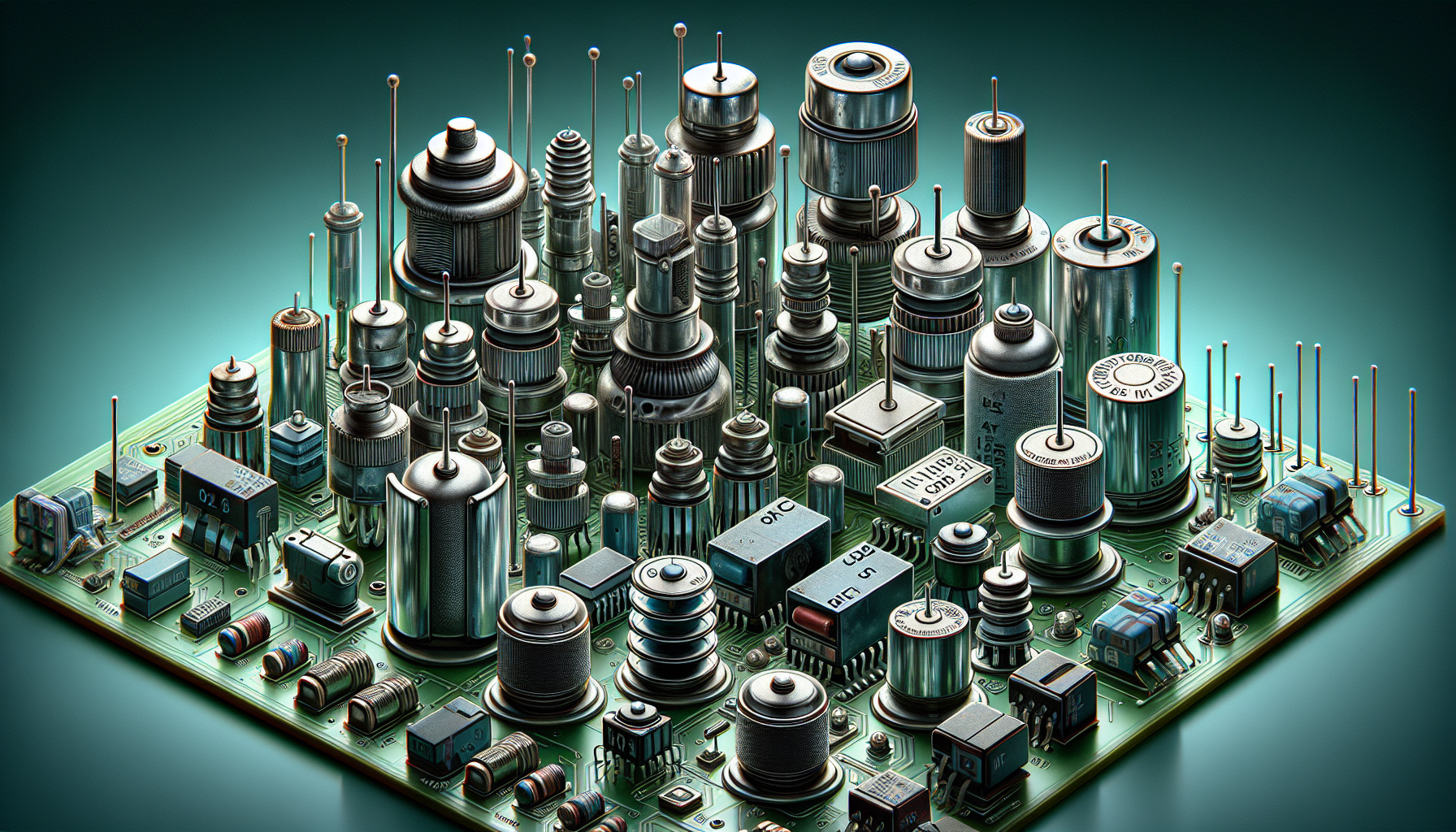
Delving deeper into the world of PCBs, we encounter a cast of essential characters, each playing a unique role in the grand performance of electronic devices. These components, ranging from:
- fuses
- varistors
- crystal oscillators
- transformers
are akin to the various positions in an orchestra, each contributing their note to the collective melody. Fuses, for instance, act as protective sentries, breaking the circuit in the event of a current surge to shield other components from harm. Varistors, with their ability to alter resistance in response to voltage spikes, serve as a bulwark against potential damage from electrical inconsistencies.
On the other hand, crystal oscillators provide the precise timing signals that are the heartbeat of digital devices, while transformers exchange voltage for current, ensuring that sensitive components receive the right amount of power without putting them at risk. Each of these components plays an indispensable part in the functionality and longevity of electronic circuits. They work in concert to manage energy, protect against unforeseen electrical events, and maintain the rhythm of operation that keeps our devices running smoothly and reliably.
Resistors
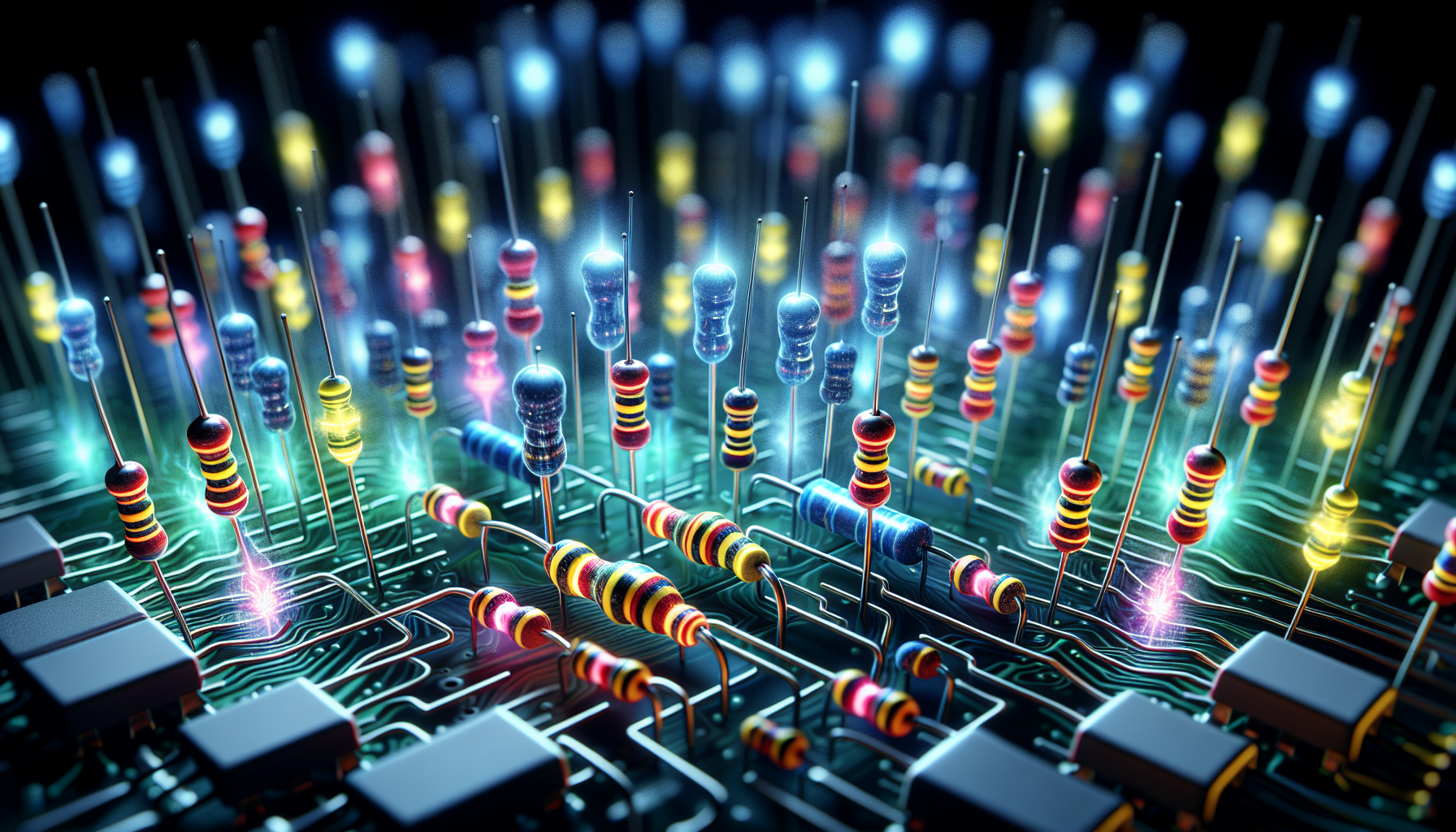
Resistors act as the gatekeepers of electrical current on a circuit board. Their primary role is to manage the flow of electric current, creating the necessary voltage drops and current paths that different parts of the circuit require to function properly. By providing resistance to the flow of electrical current, resistors help regulate the levels of current, preventing components from being subjected to currents that could potentially cause damage or malfunction. Each resistor is marked with color bands, a coded language that reveals their resistance value. These bands are the key to identifying the resistor’s ability to oppose current, an essential aspect of assembling and repairing PCBs with precision.
The strategic placement of resistors within a circuit ensures that the right amount of current reaches each component. Their silent work underpins the stability and effectiveness of the electrical circuit, safeguarding the delicate balance that must be maintained for electronic devices to perform their myriad functions.
Capacitors
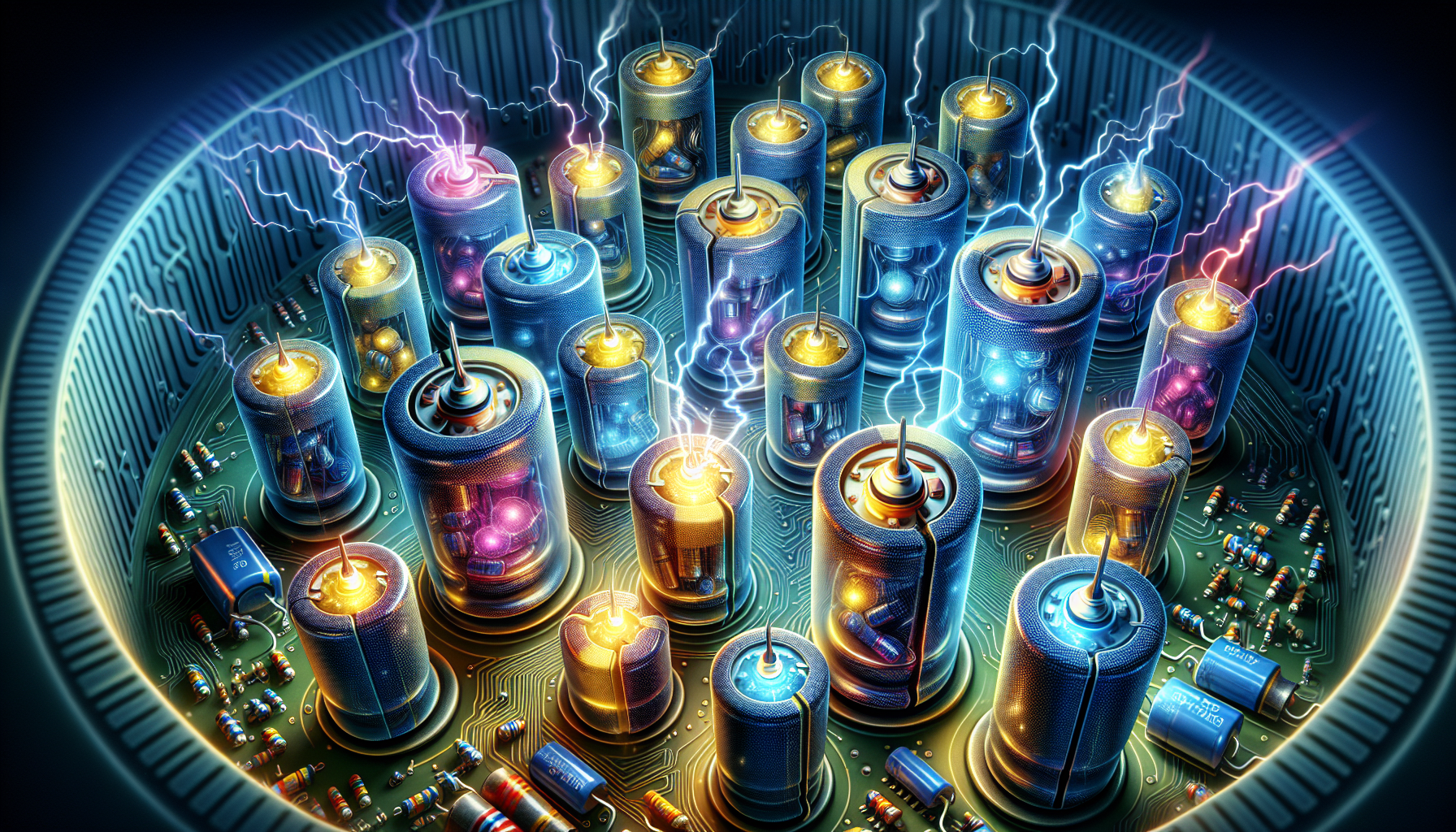
Exceling in the art of electrical energy storage, capacitors serve as the dynamic energy managers of the PCB. They accumulate charge on their conductive plates, creating an electric field that can release energy when the circuit demands it. This ability to store and discharge electrical energy plays a crucial role in smoothing voltage and providing backup power, which is particularly vital during fluctuations in the electrical supply. PCBs host a variety of capacitor types, including radial, polyester, and ceramic, each selected for their specific electrical properties and the roles they are to fulfill within the circuit.
The presence of capacitors on a circuit board is fundamental to the regulation and distribution of electrical energy. They act as reservoirs, ready to release their stored power to aid in filtering, signal coupling, and decoupling, making them essential to the smooth operation of many electronic devices.
Transistors
Taking on the dual roles of switches and amplifiers on printed circuit boards, transistors are the workhorses of the electronic world. Their significant role in modern electronics cannot be overstated, as they enable the PCB to harness small charges and amplify them for a range of applications. In digital circuits, transistors are indispensable for their ability to switch and amplify signals, ensuring that the logic operations upon which digital technology relies can be carried out. The transistor family is diverse, with NPN and PNP types among the most common, each suited to different circuit configurations and purposes.
Transistors’ ability to control and amplify electrical signals makes them pivotal to the functionality of electronic devices. Whether processing data in a computer or adjusting the volume on a stereo, transistors are at the heart of the action, ensuring that electronic devices operate with precision and reliability.
Diodes
Ensuring that current flows in only one direction through a circuit board, diodes are the one-way streets of the electronic landscape. With a design that allows electricity to pass through one end while blocking it at the other, diodes maintain control over current flow and are fundamental to the proper functioning of many electronic circuits.
The most ubiquitous diode found on PCBs is the Light Emitting Diode (LED), which not only controls current but also illuminates when powered, serving a dual purpose in a wide range of applications from indicator lights to digital displays.
Advanced Circuit Board Components
The territory of advanced circuit board components reveals the pinnacle of miniaturization and complexity that characterizes the modern era of electronics, with surface mount technology playing a crucial role. With the advent of Very Large Scale Integration (VLSI), chips containing billions of transistors have become a reality, showcasing the technological revolution that has taken place within the PCB industry. These advanced boards, some consisting of up to 40 layers, reflect the extraordinary depth of engineering and design that goes into their creation. A variety of materials, such as:
- FR-4
- Rogers
- Polyimide
- Aluminum Clad
are adeptly chosen to meet the specific demands of these intricate electronic systems. The precision with which these boards are crafted is evident in the copper weights and the microscopic trace and space specifications, highlighting the level of detail that advanced circuit board technology demands.
The components that populate these advanced PCBs are marvels of innovation, pushing the boundaries of what is possible in electronic design and functionality. They are the embodiment of the relentless pursuit of progress in the field of electronics, representing the cutting edge of technology that drives the devices of tomorrow.
Integrated Circuits (ICs)
Embodying the essence of advanced PCB technology, integrated circuits (ICs) are nothing short of miraculous. These silicon chips are miniature cities in themselves, containing thousands of interconnected components like transistors, all meticulously formed on a silicon wafer to create an entire electronic circuit. Spanning millions of resistors, transistors, and capacitors, ICs are typically built from silicon and encased within protective plastic, safeguarding the delicate components within. From humble beginnings with a handful of transistors, ICs have evolved into complex microprocessors and microcontrollers, taking center stage as the brains of modern computing devices. The innovations in this domain have been so profound that they have enabled the integration of sensors, optical elements, and even mechanical devices onto chips, opening up a world of possibilities such as biometric sensing and optical communication.
ICs represent the convergence of numerous components into a singular, powerful entity that drives the functionality of electronic devices. They are the engines of modern computing, capable of:
- processing vast amounts of information at incredible speeds
- storing and retrieving data
- controlling the operation of electronic devices
- amplifying and filtering signals
- converting analog signals to digital and vice versa
ICs are a testament to the ingenuity and innovation that characterize the field of electronics.
Silicon Controlled Rectifiers (SCRs)
Commanding large currents and voltages with just a small signal input, Silicon Controlled Rectifiers (SCRs) are the gatekeepers of power within electronic circuits. These thyristors are key in situations where the might of regular transistors would fall short, offering precise control over high electricity and voltage levels. SCRs play a pivotal role in applications that demand robust control mechanisms, from motor speed controls to power regulators, making them indispensable in a wide array of industrial and consumer electronic systems.
The utility of SCRs in managing power efficiently and effectively makes them an integral component in advanced circuit designs. They exemplify the level of control and reliability needed in modern electronics where precise power regulation is critical to the performance and safety of devices.
Sensors
Converting physical stimuli into electronic language that circuits can understand and act upon, sensors are the eyes and ears of the PCB world. These vigilant components respond to various forms of physical input, such as:
- heat
- light
- movement
- pressure
They transform these inputs into electrical energy for the electronic device to process and respond to. Positioned on printed circuit boards, sensors play a crucial role in enabling devices to interact with their environment, making them smarter and more responsive.
From the touch-sensitive screens of smartphones to the automatic adjustments of thermostat systems, sensors are the bridge between the tangible world and the electronic cores of our devices.
The advent of sensors on PCBs has ushered in an era of automation and enhanced functionality in electronic devices. They have become the key components that enable a device to monitor, adjust, and react autonomously to the changing conditions around it, thereby enriching our interaction with technology and enhancing our experiences.
Circuit Board Component Identification and Placement
Assembling a printed circuit board is akin to constructing a puzzle where each piece must fit perfectly to reveal the intended picture. Identifying and placing components correctly on a PCB is a critical step in the assembly process, one that determines the functionality and reliability of the finished electronic device. The meticulous process involves ensuring that the legs of components are aligned with the corresponding solder pads and that they are securely bent in place on the solder side of the PCB before the soldering process begins. This precision is not just about aesthetics; it is about ensuring that every connection is sound and that the PCB will perform as intended once powered up.
From hobbyists to professional assemblers, the ability to identify and place components accurately is a skill that underpins successful PCB manufacture. The proper component placement not only facilitates a smooth soldering process but also aids in the PCB’s performance, ensuring that electronic signals travel unimpeded through the designed pathways.
Component Identification
Navigating the landscape of a printed circuit board requires a map, and that map is found in the form of reference designators and markings. These designators, such as R for resistors, C for capacitors, and IC for integrated circuits, are the signposts that guide one through the identification process of PCB components. Orientation marks, like dots or color variations, specify the location of the first pin, while polarized components are often marked with positive and negative signs to ensure they are connected in the correct direction. Integrated circuits bear manufacturer and part numbers, which can be cross-referenced with datasheets to uncover comprehensive information about the component’s specifications and functions.
The ability to identify components correctly is crucial, especially when troubleshooting or repairing PCBs. Visual inspections for damage or changes over time, along with comparisons to known components, are part of the detective work that keeps PCBs operational and extends their lifespan.
Component Placement
Placing components on a PCB demands attention to detail and a steady hand. During assembly, the following steps are typically followed:
- Solder paste is applied to the board.
- Components are meticulously positioned using specialized machines that ensure accuracy down to the millimeter.
- The alignment between the pad design and component leads is critical, as any mismatch could lead to imbalanced solder joints that compromise the integrity of the connection.
This precise alignment is not simply for the initial functionality but also for the long-term reliability of the PCB, as improper placement can lead to issues down the line, including the failure of components or the entire circuit board.
Proper component placement is a cornerstone of the pcb manufacturing process, a step that cannot be overlooked or underestimated. It is this attention to detail in the placement that ensures a PCB will stand the test of time and perform consistently throughout its operational lifespan.
Choosing the Right Components for Your Project
While embarking on a new electronic project is exciting, it necessitates careful consideration of the components that will bring your creation to life. Selecting the right components involves a balance between:
- Matching the power requirements of the circuit
- Ensuring that the parts fit within the physical dimensions of the PCB
- Staying within the confines of your budget
It is about making choices that will not only meet the immediate needs of the project but also stand up to the demands of future use. Opting for components known for their reliability and longevity is an investment in the durability of the circuit, contributing to its overall quality and the satisfaction it will bring once completed.
Additionally, it is crucial to choose components that can withstand the operating conditions they will face, particularly temperature extremes that could affect circuit board reliability. Whether a hobbyist project or an industrial application, the right component selection lays the groundwork for a successful and reliable electronic device.
Circuit Board Component Aging and Preventative Measures
No matter how robust, electronic components are not immune to the passage of time. Aging is an inevitable process that can lead to the degradation of PCB components. The quality and reliability of components are heavily influenced by the reputation of their manufacturer, a factor that can mean the difference between a fleeting and a lasting electronic device. Shenzhen Informic Electronics, known for its commitment to reliability, exemplifies this with a one-year warranty on its components, providing assurance of their durability and performance. Building a relationship with reputable suppliers like Shenzhen Informic Electronics ensures a steady supply of high-quality components, which is crucial for maintaining the integrity of the PCBs over time.
Conducting aging tests on PCBs is an essential practice to assess the long-term reliability of the entire assembly, from the components to the solder joints and mechanical parts. Moreover, proper soldering techniques are fundamental to the durability of PCB components, necessitating a clean work environment, the right equipment, and adherence to procedural steps while observing safety precautions. These preventative measures are the guardians of component longevity, ensuring that PCBs continue to function as intended well into the future.
Shenzhen Informic Electronics: Your Trusted Source for Circuit Board Components
Shenzhen Informic Electronics stands as a beacon of trust and reliability in the quest for quality PCB components. With a focus exclusively on circuit board components, this company offers:
- A 3-year warranty on all original components, a testament to their confidence in the products they provide.
- Catering to a broad spectrum of industry sectors, including industrial, automotive, home appliance, and consumer electronics.
- Established itself as a vital source for components that meet a diverse array of needs.
The commitment of Shenzhen Informic Electronics to high standards of reliability and customer satisfaction is unwavering. They are not just suppliers; they are partners in the electronic manufacturing process, ensuring that each component they provide meets the stringent demands of modern electronics and contributes to the success of your projects.
Summary
As we reach the conclusion of our exploration into the world of circuit board components, it’s clear that these tiny elements are the unsung heroes of our electronic devices. From the passive components that silently maintain order, to the active ones that amplify and direct signals, and the electromechanical parts that add physical interaction, each plays a vital role in the functionality of PCBs. Advanced components like integrated circuits, SCRs, and sensors push the bounds of technology, while proper identification and placement ensure that these components work synergistically. Shenzhen Informic Electronics emerges as a trusted ally in sourcing high-quality components, offering the assurance of a 3-year warranty. This guide underscores the importance of each component, the wisdom in selecting them wisely, and the value of preventative measures to safeguard their longevity. May this knowledge empower you to craft electronic masterpieces that stand the test of time.
Frequently Asked Questions
What are the 5 parts of a circuit?
The five parts of a circuit are the source of electricity (cell or battery), connecting wires, a switch to control the circuit, and a load (such as a bulb or electric device). These components work together to allow electricity to flow and power the circuit.
What is the difference between active and passive components on a PCB?
Active components on a PCB, like transistors and integrated circuits, require an external power source to operate and can amplify or switch electronic signals, while passive components, such as resistors and capacitors, do not require power to perform their functions and cannot introduce energy into the circuit.
How can I identify the resistance value of a resistor on a circuit board?
To identify the resistance value of a resistor on a circuit board, refer to the color bands marked on the resistor and use a color code chart to determine the resistance in ohms. This is essential for regulating the flow of electrical current in the circuit.
What role do capacitors play on a printed circuit board?
Capacitors on a printed circuit board store and discharge electrical energy, helping to smooth voltage, filter signals, and provide backup power during electrical supply fluctuations, making them essential for stable electronic device operation.
Why is proper component placement important in PCB assembly?
Proper component placement in PCB assembly is important because it ensures that electrical signals can travel through the intended pathways without interference, contributing to the board's functionality and long-term reliability.
