
The digital revolution has transformed how we source electronic components. Whether you're a professional engineer, a small business owner, or a hobbyist working on your next project, electronic parts online shopping offers unprecedented access to a vast array of components. This comprehensive guide will walk you through the best platforms, essential buying tips, and crucial safety checks to ensure your online electronic component purchases are successful.
Why Online Shopping is Ideal for Electronic Components
Unmatched Convenience
Online shopping eliminates geographical limitations, allowing you to browse and purchase electronic components 24/7 from anywhere in the world. No more rushing to local stores before closing time or limited by local inventory.
Extensive Variety
Online platforms offer an extensive range of electronic parts that physical stores simply cannot match. From common components to rare and specialized parts, the digital marketplace provides access to millions of components from thousands of manufacturers.
Price Comparison
Online shopping enables quick and easy price comparison across multiple vendors. This transparency helps you secure the best deals and significant savings, especially for bulk purchases or when sourcing components for large projects.
Did you know? The global electronic components market was valued at over $304.3 billion in 2022 and continues to grow rapidly, with online sales representing an increasingly significant portion of this market.
Top 5 Platforms for Electronic Parts Online Shopping
When it comes to purchasing electronic components online, choosing the right platform is crucial. Each marketplace has its strengths and weaknesses, catering to different needs and preferences. Here's a comprehensive comparison of the top five platforms for electronic parts online shopping:
| Platform | Best For | Component Range | Price Point | Technical Support |
| Digi-Key | Professional engineers, businesses | Extensive (2M+ parts) | Medium to high | Excellent |
| Mouser | New components, datasheets | Very large (1M+ parts) | Medium to high | Very good |
| Newark/Element14 | Development boards, community | Large (600K+ parts) | Medium | Good (community-based) |
| Amazon | Hobbyists, fast shipping | Limited but growing | Low to medium | Limited |
| eBay | Rare/obsolete parts, bargains | Varied (many used parts) | Low | Minimal |
Detailed Platform Analysis

1. Digi-Key
Advantages
- Enormous inventory with over 2 million parts in stock
- Detailed technical specifications and documentation
- Excellent search filters and parametric search
- Same-day shipping on most orders
- Reliable quality control and counterfeit prevention
Disadvantages
- Higher prices compared to some competitors
- Interface can be overwhelming for beginners
- Minimum order requirements for some items
- Shipping costs can be high for international orders

2. Mouser Electronics
Advantages
- Focus on new product introductions and latest technology
- Comprehensive technical resources and datasheets
- No minimum order requirements
- Strong relationships with manufacturers
- Excellent BOM (Bill of Materials) tools
Disadvantages
- Sometimes higher prices than competitors
- Occasionally longer shipping times
- Less intuitive interface for first-time users
- Customer service can be inconsistent
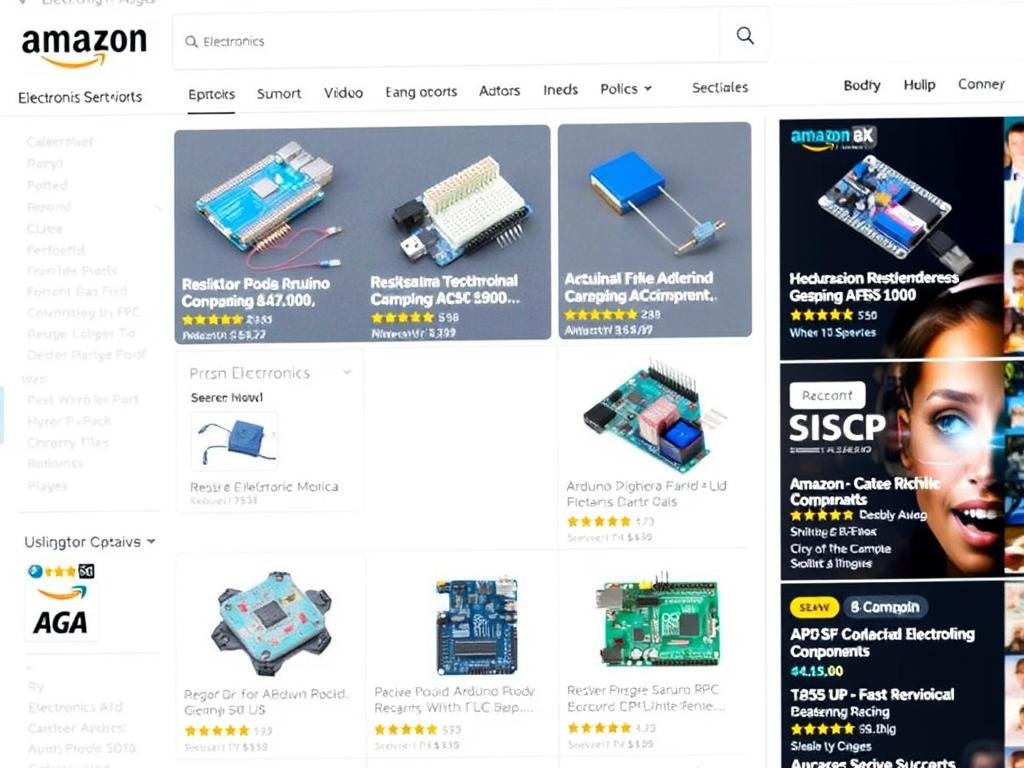
3. Amazon
Advantages
- Fast shipping with Prime membership
- User-friendly interface familiar to most shoppers
- Customer reviews provide additional insights
- Competitive pricing on popular components
- Easy returns process
Disadvantages
- Higher risk of counterfeit components
- Limited technical specifications
- Inconsistent quality across different sellers
- Not specialized for electronic components
- Limited selection of professional-grade parts
Ready to explore these platforms?
Start your electronic parts online shopping journey with these trusted platforms. Each offers unique advantages depending on your specific needs.
Essential Buying Tips for Electronic Parts Online Shopping

Verifying Seller Credibility
When shopping for electronic parts online, the credibility of the seller is paramount. Counterfeit components can not only waste your money but potentially damage your projects or products. Here's how to ensure you're dealing with reputable sellers:
- Check seller ratings and reviews - Look for consistent positive feedback over time, not just a few recent reviews.
- Verify authorized distributor status - Many manufacturers list their authorized distributors on their websites.
- Examine the seller's return policy - Reputable sellers typically offer reasonable return policies for defective parts.
- Look for industry certifications - Certifications like ISO 9001 indicate quality management systems are in place.
- Check for detailed contact information - Legitimate businesses provide multiple contact methods and physical addresses.
Warning: Unusually low prices can be a red flag for counterfeit parts. If a deal seems too good to be true, it often is, especially for high-demand components.
Red Flags to Watch For
- Sellers with very limited history or sudden appearance
- Prices significantly below market average (30%+ lower)
- Vague or missing product specifications
- Poor quality or missing product images
- Reluctance to provide additional information when requested
Understanding Datasheets and Specifications
Datasheets are essential technical documents that provide detailed information about electronic components. Learning to read and understand them is crucial for successful electronic parts online shopping:

Example of a typical integrated circuit datasheet with key specifications highlighted
Key Elements to Check in Datasheets
- Absolute maximum ratings - The upper limits beyond which damage may occur
- Recommended operating conditions - The safe range for normal operation
- Electrical characteristics - Performance parameters under various conditions
- Package dimensions - Physical size and pin configuration
- Thermal characteristics - Heat dissipation requirements
- Application notes - Practical usage examples and circuit diagrams
Pro Tip: Always download and save datasheets for components you purchase. They contain valuable information you may need later for troubleshooting or when designing future projects.
When comparing similar components, pay special attention to:
- Tolerance levels and precision ratings
- Temperature operating ranges
- Power requirements and efficiency
- Speed and performance metrics
- Compatibility with other components in your system
Avoiding Counterfeit Parts
Counterfeit electronic components represent a significant challenge in the industry. These fake parts can cause project failures, safety hazards, and financial losses. Here are strategies to protect yourself:

Visual comparison between genuine (left) and counterfeit (right) components
Identification Techniques
- Visual inspection - Check for inconsistent logo placement, poor printing quality, or irregular textures
- Weight comparison - Authentic components often have a specific weight that counterfeits may not match
- Package details - Examine for correct date codes, lot numbers, and manufacturer markings
- Documentation verification - Request certificates of conformance or authenticity
- Performance testing - Test components under various conditions to verify specifications
Prevention Strategies
- Purchase from authorized distributors whenever possible
- Develop relationships with trusted suppliers
- Be wary of significant price discrepancies
- Request component traceability documentation
- Consider investing in counterfeit detection equipment for critical applications
- Stay informed about known counterfeit issues in your component categories
Safety Checklist for Electronic Parts Online Shopping
Before finalizing your electronic component purchases, use this comprehensive safety checklist to ensure a secure and satisfactory transaction:
Pre-Purchase Safety Checks
- Verify website security - Ensure the site uses HTTPS (look for the padlock icon) and has secure payment processing
- Check business legitimacy - Verify business registration, physical address, and contact information
- Review privacy policy - Understand how your personal and payment information will be handled
- Examine shipping policies - Confirm shipping methods, timeframes, and any restrictions
- Understand return policies - Know the conditions for returns, exchanges, and refunds
- Verify component specifications - Double-check that the components match your exact requirements
- Check stock availability - Confirm that items are actually in stock, not backordered
Secure Payment Methods
Choosing the right payment method adds an extra layer of protection when shopping for electronic parts online:
Best Practice: Credit cards and PayPal offer the strongest buyer protection for electronic parts online shopping. They typically allow you to dispute charges if components are counterfeit or never arrive.
Post-Purchase Verification
After receiving your electronic components, perform these essential checks:
- Document condition upon arrival - Take photos of packaging and components before handling
- Verify package contents - Count and check all items against your order
- Inspect for physical damage - Look for bent pins, scratches, or other visible issues
- Check markings and labels - Verify part numbers, logos, and batch codes match specifications
- Test functionality - When possible, test components before incorporating them into projects
- Store documentation - Keep invoices, shipping information, and component documentation

Always inspect and test components upon arrival before using them in your projects
Sourcing Niche and Obsolete Electronic Components
Finding rare, specialized, or obsolete electronic parts presents unique challenges. Here are effective strategies for sourcing these hard-to-find components:

Rare and obsolete components often require specialized sourcing strategies
Specialized Distributors
Several distributors focus specifically on obsolete and hard-to-find components:
- Rochester Electronics - Specializes in end-of-life semiconductors
- Lansdale Semiconductor - Manufactures obsolete ICs
- BrightComponents - Sources discontinued parts
- Quest Components - Specializes in obsolete electronic parts
These specialized distributors often maintain relationships with original manufacturers and may have access to original production runs or authorized reproductions.
Online Forums and Communities
Tap into the collective knowledge of electronics enthusiasts and professionals:
- EEVblog Forum - Active community of electronics professionals
- Reddit's r/AskElectronics - Helpful for sourcing advice
- Vintage Computer Forums - Excellent for legacy components
- Stack Exchange Electronics - Technical expertise and sourcing tips
Community members often have personal collections or industry connections that can help locate rare components.
Broker Networks
Component brokers specialize in sourcing hard-to-find parts:
- ECIA's TrustedParts.com - Network of authorized distributors
- Sourceability - Global electronic component marketplace
- Fusion Worldwide - Independent distributor with global reach
- SemiXchange - Specializes in semiconductors
While brokers can find rare parts, be extra vigilant about authenticity verification when using these services.
Alternative Approaches for Hard-to-Find Components
Modern Equivalents and Substitutions
When the exact component isn't available, consider these alternatives:
- Form-fit-function equivalents - Components with identical specifications from different manufacturers
- Upgraded versions - Newer components with backward compatibility
- Adapters and converters - Allow using alternative components with different pinouts
- Modular replacements - Small circuit boards that replicate the function of obsolete ICs
"Finding the right substitute often requires understanding the original component's function at a deeper level than just matching specifications."
Custom Manufacturing and Salvaging
For extremely rare components, consider these options:
- Small-batch manufacturing - Some companies will produce limited runs of specialized components
- FPGA implementation - Recreate digital IC functionality in programmable logic
- 3D printing - For mechanical or structural components
- Salvaging from donor equipment - Source components from vintage or surplus equipment
- Reverse engineering - Create functional equivalents based on original specifications
Important: When salvaging components, be aware of potential reliability issues due to age, usage, and improper removal techniques.
Need help finding rare components?
Our network of specialized suppliers can help you locate even the most obscure electronic parts for your projects.
Future Trends in Electronic Parts Online Shopping
The landscape of electronic component sourcing continues to evolve with technological advancements. Here's what to expect in the coming years:

AI-powered systems are revolutionizing how we discover and select electronic components
AI-Driven Component Recommendations
Artificial intelligence is transforming how engineers and hobbyists discover components:
- Personalized component suggestions based on past projects
- Automatic compatibility checking with existing designs
- Predictive analysis for component lifecycle management
- Intelligent substitution recommendations when parts become unavailable
- Design optimization suggestions based on performance parameters
These AI systems will increasingly help designers navigate the vast ocean of available components, making selection more efficient and reducing design errors.
IoT Integration in Inventory Systems
Internet of Things technology is revolutionizing component inventory management:
- Real-time inventory tracking across global supply chains
- Automated reordering based on usage patterns
- Environmental monitoring for sensitive components
- Blockchain-based component authentication and tracking
- Digital twins of inventory for better visualization and management
These systems will provide unprecedented visibility into component availability, reducing lead times and improving project planning.
Sustainability in Electronics Sourcing
Environmental considerations are becoming increasingly important:
- Carbon footprint tracking for components and shipping
- Recycled and upcycled component marketplaces
- Eco-friendly packaging initiatives
- Component lifecycle management for circular economy
- Renewable energy certificates for manufacturing processes
As environmental concerns grow, expect to see more emphasis on sustainable sourcing options and transparent environmental impact information.
Emerging Marketplace Models
Peer-to-Peer Component Exchange
New platforms are enabling direct exchanges between engineers and hobbyists:
- Community-based component sharing and trading
- Local exchange networks to reduce shipping impacts
- Reputation systems to ensure quality and reliability
- Specialized exchanges for niche or vintage components
Innovation Spotlight: Platforms like PartsTrade and ComponentExchange are pioneering secure peer-to-peer marketplaces with escrow services and verification systems specifically for electronic components.
On-Demand Manufacturing Integration
Direct connections between component sourcing and manufacturing:
- One-click PCB ordering with component sourcing and assembly
- Virtual inventory systems with just-in-time manufacturing
- Digital design files linked directly to component specifications
- Automated design verification against available components
- Integrated testing and quality assurance services
Did you know? Some platforms now offer complete end-to-end services from component sourcing to assembled and tested PCBs, reducing project completion time by up to 60%.
Conclusion: Mastering Electronic Parts Online Shopping
The world of electronic parts online shopping offers unprecedented access to components for projects of any scale. By leveraging the right platforms, implementing thorough verification processes, and staying informed about industry trends, you can ensure successful and cost-effective component sourcing.
Remember that the best approach often combines multiple platforms and strategies based on your specific needs. Professional engineers might prioritize authorized distributors for critical components while exploring marketplace platforms for development and prototyping parts. Hobbyists may find community exchanges and general e-commerce sites perfectly adequate for their projects.
As technology continues to evolve, so too will the electronic component marketplace. Staying adaptable and informed will help you navigate these changes successfully.
Ready to start your electronic parts online shopping journey?
Explore our recommended platforms and put your new knowledge into practice with your next electronic project.
Frequently Asked Questions
How can I verify if an online electronic parts seller is legitimate?
Check for authorized distributor status on manufacturer websites, read customer reviews, verify business registration, examine their physical address and contact information, and look for industry certifications like ISO 9001. Legitimate sellers also typically offer clear return policies and detailed product information.
What payment methods are safest for buying electronic components online?
Credit cards and PayPal offer the strongest buyer protection for online purchases. They typically allow you to dispute charges if components are counterfeit or never arrive. Avoid wire transfers or cryptocurrency payments unless dealing with well-established, trusted suppliers.
How can I find obsolete or discontinued electronic components?
Specialized distributors like Rochester Electronics and Lansdale Semiconductor focus on obsolete parts. Online forums, component brokers, and surplus equipment sellers are also good resources. Consider form-fit-function equivalents or modern substitutes when exact matches aren't available.
