
Keywords: PCB laminate shortage, copper clad laminate CCL 2026, FR-4 price increase, low-loss laminate, prepreg supply, PCB material costs
Meta Description: CCL, prepreg, glass fabric, and copper foil are tightening in 2026 as AI servers absorb advanced laminate capacity. What buyers and designers should do now.
When engineers think about the 2026 component crunch, they picture memory chips and ceramic capacitors. But one of the most consequential bottlenecks this year sits one level below the components: the raw material that every PCB is made from. Shortages and price pressure in copper clad laminate (CCL), prepreg, fiberglass fabric, copper foil, and specialty resin systems are now shaping PCB prices, lead times, and design decisions across the industry, and the squeeze is concentrated in exactly the high-performance materials that AI servers and high-speed platforms need.
This guide explains what is driving the 2026 laminate shortage, which material categories are affected and which are not, and the practical design and procurement moves that keep board programs on schedule.
What Is Actually in Short Supply
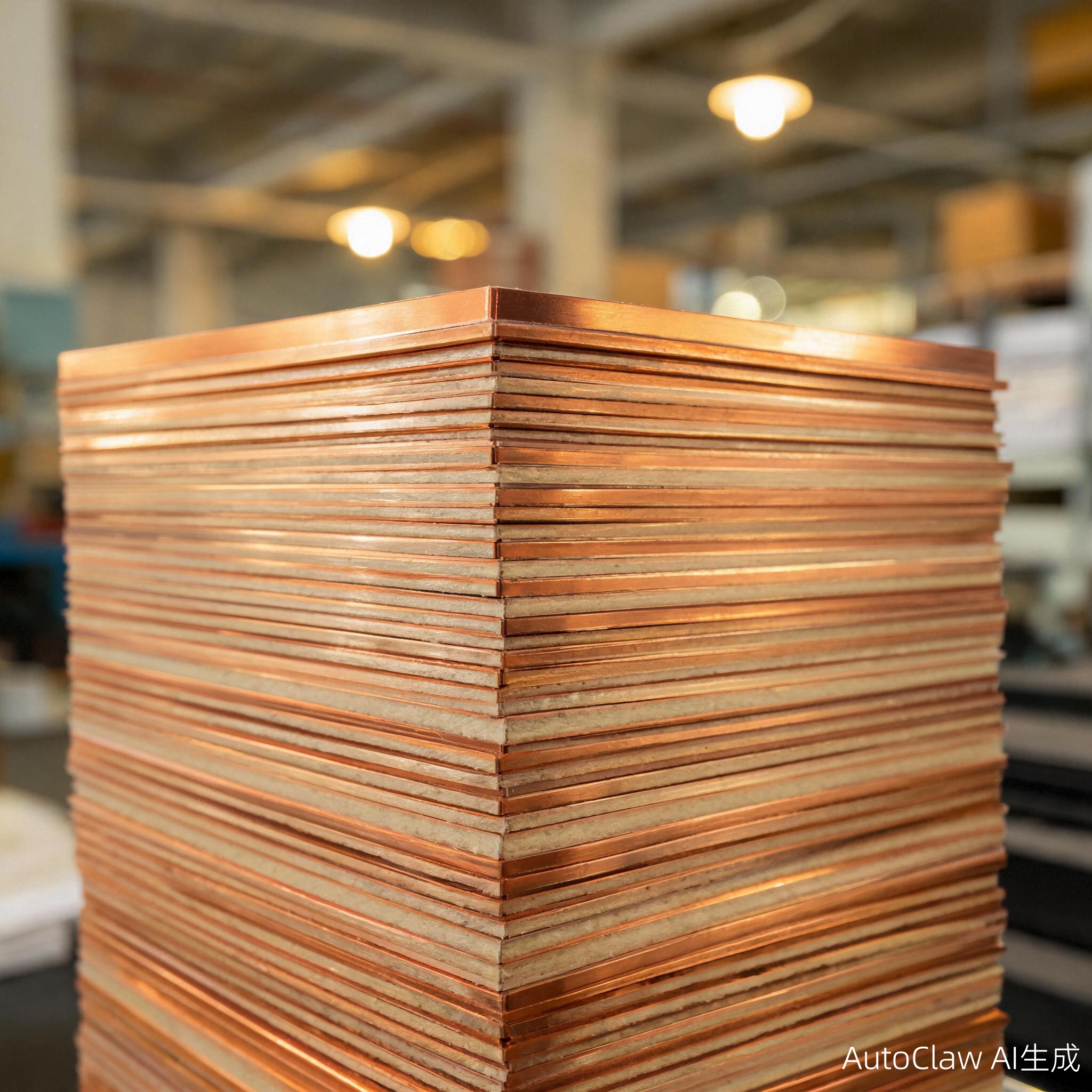
The first thing to understand is that the laminate market is not uniformly short. Industry analysis of the 2026 situation describes a layered squeeze in which advanced materials carry the heaviest pressure while commodity FR-4 stays comparatively available, though not immune.
The most constrained categories are the ones AI infrastructure pulls hardest:
- Low-loss and ultra-low-loss copper clad laminates, required by AI servers, high-speed switches, and 5G infrastructure to minimize signal degradation at multi-gigabit frequencies.
- Prepreg materials in specific glass styles, including the workhorse 1080 and 2116 constructions that multilayer boards depend on, which now face competition between advanced and conventional electronics markets for the same capacity.
- High-performance copper foils, particularly low-profile HVLP foils that reduce conductor loss at high frequency and demand tightly controlled production processes.
Standard FR-4 remains the widest-available category, but it shares upstream resources with the premium materials: fiberglass fabric, epoxy resin, and copper foil feed every grade of laminate. When those inputs tighten, commodity boards inherit the pressure in price and lead time even when their own demand is flat.
The table below summarizes the pressure map.
| Material category | 2026 supply status | Primary demand driver | Buyer implication |
|---|---|---|---|
| Low-loss / ultra-low-loss CCL | Most constrained | AI servers, switches, 5G | Long lead times; qualify alternates early |
| Prepreg (1080, 2116 glass styles) | Tight and competitive | Multilayer boards across all segments | Stackup flexibility helps sourcing |
| HVLP and specialty copper foil | Constrained | High-frequency signal integrity | Advanced capability, limited supplier base |
| Fiberglass fabric | Structurally tight | Shared by all laminates | Slow to expand; a root-cause constraint |
| Standard FR-4 | Most available | Broad electronics demand | Price pressure from shared inputs, not scarcity |
| High-temp FR-4, heavy copper, metal-core | Firm demand growth | EV power, BMS, ADAS | Automotive qualification locks capacity |
Why AI Servers Changed the Laminate Math
AI infrastructure has become the strongest demand driver in the laminate market. AI servers, accelerator systems, and high-speed networking equipment demand more from their boards than traditional computing platforms: higher layer counts, stricter signal-integrity requirements, and greater thermal loads. Meeting those requirements calls for laminates with tightly controlled dielectric constant, low dissipation factor, and improved dimensional stability, which are more complex to manufacture than conventional materials.
The economics compound the problem. The global PCB laminate market was valued at about 14.6 billion US dollars in 2025 and is projected to reach 20.6 billion by 2032, a compound growth rate near 6 percent, but the growth is concentrated in advanced categories while capacity for those categories expands slowly. A new laminate line requires significant investment, technical expertise, and lengthy customer qualification before volume production counts, which means demand spikes translate into lead-time extension rather than quick supply responses. Industry supply-chain observers have reported that AI infrastructure expansion is absorbing significant advanced laminate capacity, and because advanced laminate production shares upstream resources with other materials, the pressure propagates into broader FR-4 availability.
Upstream inputs add their own fragility. Fiberglass fabric availability has become a particular concern because it is the fundamental reinforcement in essentially every woven-glass laminate, and expanding glass fabric capacity requires major investment and qualification time. Copper foil and specialty resin systems face the same slow-response problem, and geopolitical disruptions affecting epoxy resin, glass fiber, and copper foil have pushed PCB prices up as manufacturers passed material costs through.
The Manufacturer Landscape
Laminate supply is concentrated in a modest number of large producers. The tier-one names in conventional and advanced CCL include Kingboard Laminates, Shengyi Technology, Nan Ya Plastics, and Panasonic, while the high-performance specialty segment includes focused suppliers such as Isola Group and Rogers Corporation, whose materials serve aerospace, automotive radar, telecommunications, and high-speed digital applications. Isola, for example, positions its laminate and prepreg portfolio explicitly across automotive, networking, RF/microwave, aerospace and defense, computing, and medical markets, reflecting how the same advanced material families now serve both commercial and mission-critical programs.
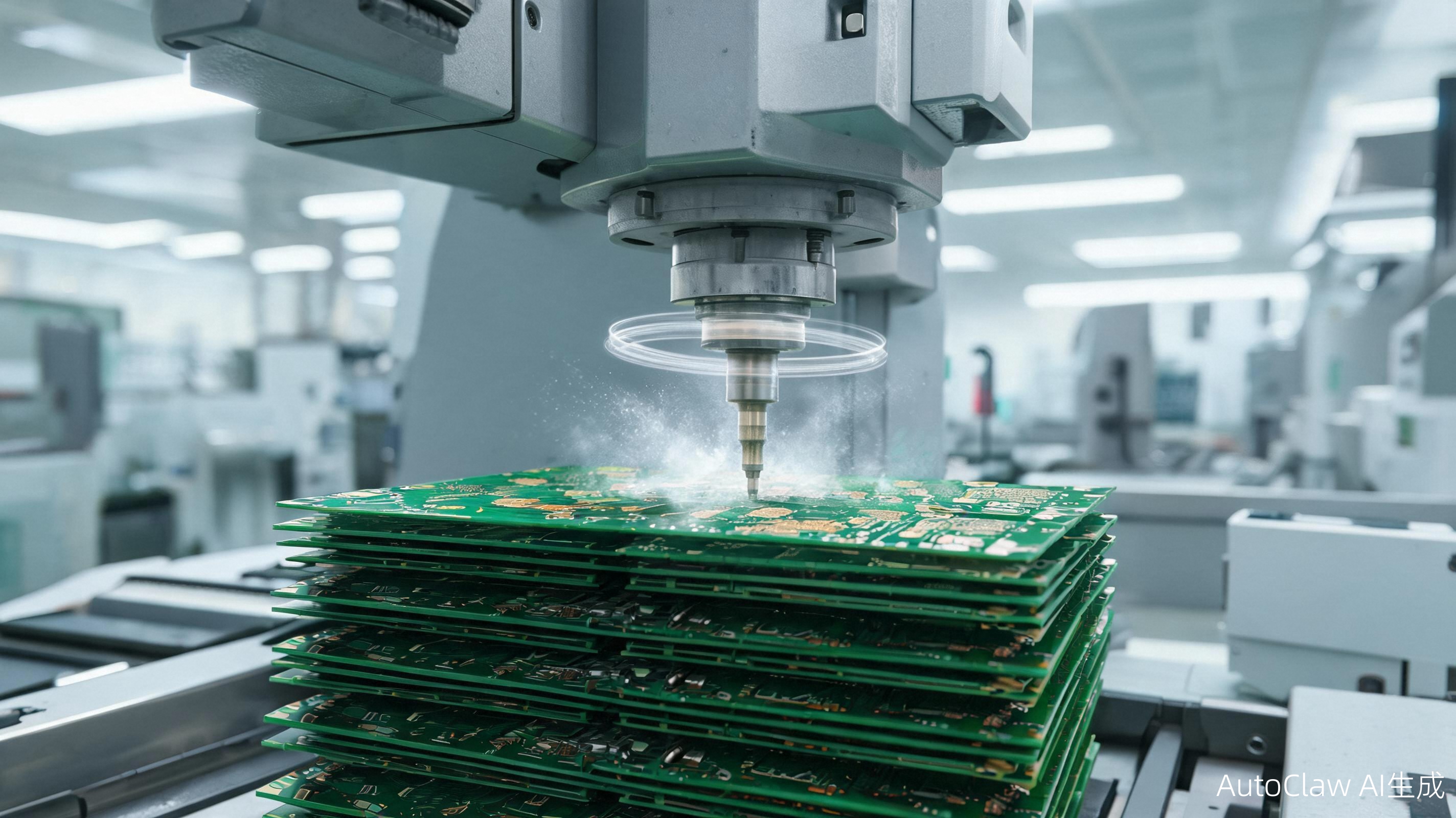
Concentration matters for buyers because it means allocation decisions ripple quickly. When a hyperscaler program locks low-loss laminate capacity, the same decision constrains every other customer of that material family, and there is no long tail of small suppliers to absorb overflow demand.
What It Means for PCB Pricing and Lead Times
For anyone buying finished boards, the laminate situation feeds directly into quotes. PCB material costs have continued to rise across the chain, covering laminate, copper-related inputs, fiberglass cloth, and manufacturing consumables, and fabricators are passing those increases through alongside longer procurement cycles. Market analysis of the 2026 environment notes that PCB prices increased significantly as manufacturers responded to rising material costs and limited availability, with geopolitics adding volatility to epoxy resin, glass fiber, and copper foil supply.
Lead times stretch through the same mechanism that affects components. A fabricator whose laminate order slips pushes every board behind it. Procurement analysts tracking the broader 2026 market have flagged PCB production tightening as a parallel pressure point to memory and passives, driven by the same AI infrastructure demand that is absorbing component capacity. The practical consequence: quotes that were valid last quarter may no longer reflect real material allocation, and board programs that treated laminate as an invisible commodity are re-learning that the substrate is a scheduled, allocated material.
Design Leverage: Make Your Board Sourcing-Flexible
Engineering decisions determine how exposed a board program is to the laminate squeeze, and the highest-leverage moves happen during stackup design.

Qualify alternative laminate families during the design phase, not after a shortage hits. For high-speed applications, that means evaluating equivalent low-loss families across manufacturers such as Panasonic, Rogers, Isola, and Shengyi Technology, with the goal of finding materials that meet the required electrical and manufacturing specifications rather than hunting for identical replacements. A design qualified against two laminate families can be routed to whichever has capacity; a design qualified against one material and one fabricator can only wait.
Optimize the stackup deliberately. Small changes in layer arrangement, dielectric thickness, copper weight, or glass style can improve material availability without affecting electrical performance. Fabricators can often suggest equivalent constructions with better material access if they are involved early, which is why laminate-aware DFM collaboration has become a standard recommendation from PCB technology providers.
Respect the physics of material substitution. For high-speed and high-reliability applications, swapping laminates without evaluation is not a sourcing move; it is a reliability risk. Differences in dielectric properties, resin content, thickness, and thermal expansion affect impedance control, signal performance, and long-term reliability, so every alternate requires the same controlled-impedance validation you would apply to any stackup change.
Right-size the exotic material request. If a design specifies ultra-low-loss laminate where a mid-loss material meets the actual signal budget, the over-specification converts directly into lead-time exposure. Reviewing signal-integrity requirements against material grades, in both directions, is now part of good sourcing hygiene.
Procurement Moves for Board Buyers
On the buying side, the laminate shortage rewards the same disciplines as component allocation, applied to a different supply base.
Qualify multiple fabricators per board program, and confirm that each fabricator has access to at least one qualified laminate for your stackup. Maintain an approved alternate material list with the impedance models already simulated, so a material switch is an engineering sign-off rather than a redesign. Monitor material lead times through your fabricators and share demand forecasts so they can reserve laminate allocation for your programs. For critical boards, secure supply commitments early: fabricators reward forecastable customers in allocation decisions, exactly as component manufacturers do. And expect price movement in quotes rather than treating last year's unit price as a planning anchor, because resin, glass, and copper input costs are all moving.
Outlook Through 2027
Laminate demand is expected to keep growing with AI infrastructure, EV electronics, telecommunications, and industrial automation, while supply constraints persist because new capacity requires heavy investment, technical expertise, and qualification cycles that cannot be compressed. The realistic planning assumption mirrors the component market: advanced low-loss materials stay tight as long as AI server platforms compound their board requirements, standard FR-4 stays manageable with cost pressure, and the buyers who engineered material flexibility into their stacks early are the ones quoting realistic delivery dates. In 2026, the substrate under your components has become part of your component strategy, and treating it that way is the difference between a board program that ships and one that waits.
Frequently Asked Questions
What is copper clad laminate and why does it matter for PCB supply?
Copper clad laminate (CCL) is the core material of every rigid PCB: fiberglass fabric reinforcement impregnated with resin, clad with copper foil on one or both sides. Fabricators etch and layer CCL and prepreg to build finished boards. When CCL, prepreg, glass fabric, or copper foil tighten, PCB prices and lead times rise regardless of component availability.
Is there really a laminate shortage in 2026, or only for AI servers?
The shortage is concentrated, like the component market. Low-loss and ultra-low-loss CCL, specific prepreg glass styles, and specialty copper foils face the strongest pressure from AI server and high-speed platform demand. Standard FR-4 remains comparatively available but inherits cost pressure because it shares fiberglass, resin, and copper foil inputs with the premium materials.
Can I swap FR-4 for a different laminate to avoid lead times?
Only with engineering evaluation. For standard-speed designs, equivalent FR-4 grades from a second laminate maker are usually a safe qualification exercise. For high-speed or high-reliability designs, dielectric constant, dissipation factor, resin content, thickness, and thermal expansion all affect impedance and signal performance, so alternates must be re-simulated and validated before production.
Why is fiberglass fabric suddenly a bottleneck?
Woven fiberglass fabric is the reinforcement in nearly all laminates, and expanding fabric capacity requires major investment, new equipment, and long qualification periods. Demand from advanced laminates and conventional boards competes for the same fabric styles, so the input tightens even when finished laminate demand looks modest.
How does automotive electrification affect laminate supply?
EV platforms add electronic content across battery management, power electronics, ADAS radar, and controllers, driving demand for high-temperature FR-4, heavy copper, and metal-core substrates. Automotive qualification standards mean fabricators cannot easily reassign automotive-qualified capacity to commercial work, which locks material capacity in place the same way AEC-Q200 qualification locks component lines.
What should I ask my PCB fabricator this quarter?
Four questions: which laminate families they currently hold allocation for and which are constrained; what alternate materials they recommend for your stackup; how their material lead times have moved versus last quarter; and whether they will reserve laminate allocation for your forecast. Their answers tell you where your board program actually sits in the queue.
Sources and Further Reading
- Strategic Market Research, "PCB Laminate Market 2026: How High-Performance Materials, Capacity Expansion and Supply Chain Resilience Are Redefining the Electronics Industry": https://www.strategicmarketresearch.com/blogs/pcb-laminate-shortage
- Isola Group, high-performance laminates and prepreg materials for PCB manufacturing: https://www.isola-group.com/
- ProcurementPro, "Electronics market stabilises but memory pressure looms" (PCB production tightening and passives cost context): https://procurementpro.com/electronics-market-stabilises-but-memory-pressure-looms
- Illuminious, "2026 Component Shortage Reality: DRAM Prices Surge as MCU Lead Times Stretch to 40 Weeks" (substrate and upstream constraint context): https://www.illuminious.com/news/2026-component-shortage-dram-mcu
- Computing, "Datacentre growth triggers global memory chip crunch" (AI infrastructure demand driver): https://www.computing.co.uk/news/2026/datacentre/datacentre-growth-triggers-global-memory-chip-crunch
