
Keywords: humanoid robot components, humanoid robot BOM, robot actuators, servo motors encoders, robot battery management, embodied AI chips, robotics supply chain
Meta Description: Humanoid robots moved from demos to factory pilots in 2026. A component-level tour of the BOM: actuators, sensors, compute, batteries, and supply chain dynamics.
Two years ago, humanoid robots were trade-show theater. In 2026 they are running structured pilots on real production floors, and industry analysts have started publishing the thing that matters most to electronics people: the component-level bill of materials. Market research now forecasts the humanoid robot market reaching roughly 29.5 billion US dollars by 2036, built on actuators, motors, reducers, sensors, batteries, and the AI compute stack that makes the whole machine useful.
For component buyers and design engineers, humanoids represent a new demand engine stacking on top of AI data centers and EVs, competing for the same motors, drivers, battery management ICs, and edge processors. This guide tours the humanoid BOM subsystem by subsystem, explains where the supply chain is tight, and what the US-China competitive split means for sourcing.
What Counts as a Humanoid BOM
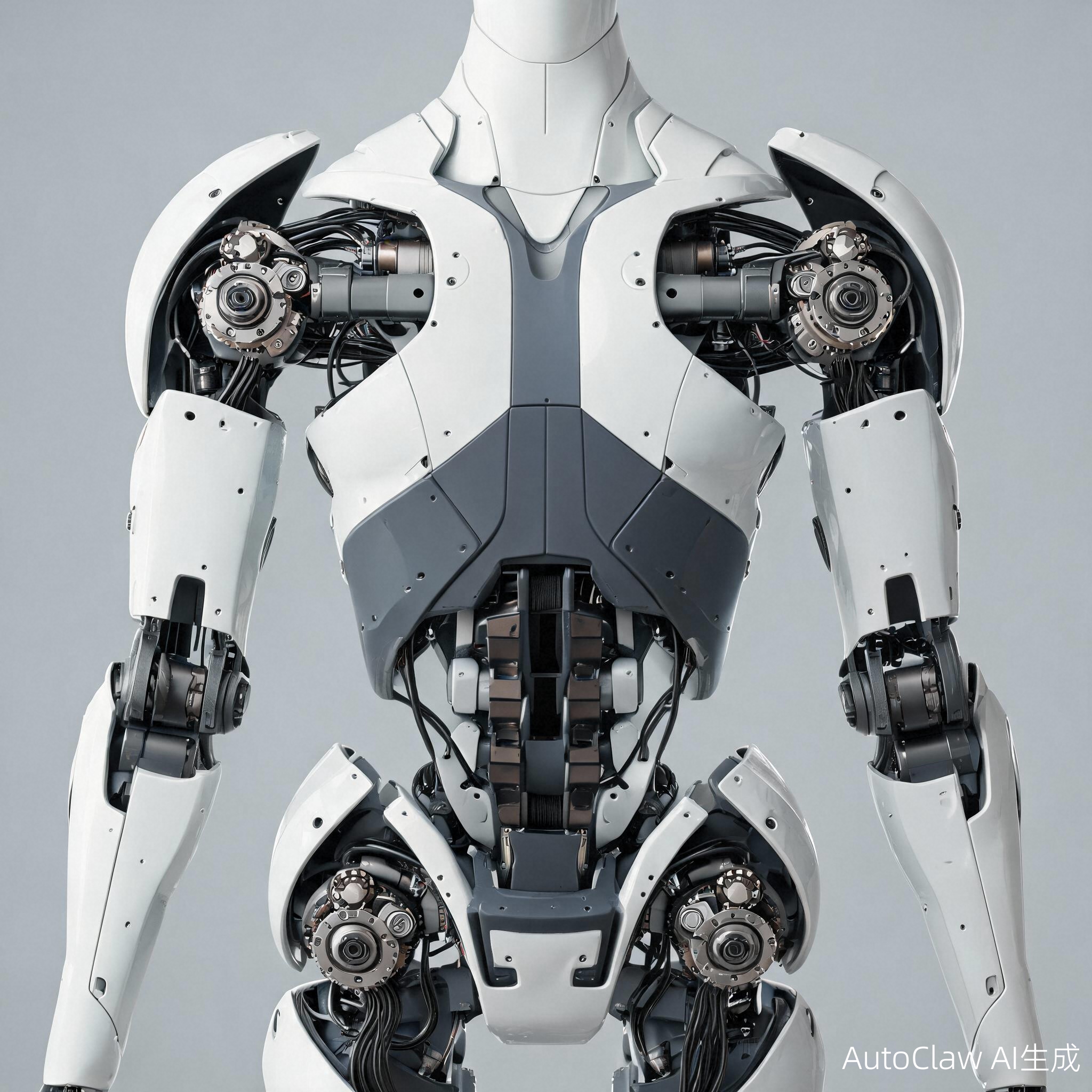
A humanoid is, from a sourcing perspective, a dense bundle of mechatronic subsystems wrapped around an AI compute core. Component-level market analyses of the humanoid stack identify the major subsystems as actuators, motors, reducers (including planetary and harmonic types), ball screws, bearings, cameras, LiDAR, radar, ultrasonic sensors, tactile sensors, batteries, thermal management, high-performance structural materials, and end effectors, along with the software and AI stack that coordinates them.
Unlike a phone or even a car, the humanoid BOM is dominated by repetition: dozens of joints, each needing its own motor, reducer, encoder, and driver. That multiplier is why a single humanoid design can consume more precision motion components than a small EV, and why supply chain maturity for those components decides who can ship robots at volume.
| Subsystem | Key electronic and electromechanical components | Sourcing notes for 2026 |
|---|---|---|
| Actuators and joints | Brushless motors, harmonic and planetary reducers, encoders, motor drivers, torque sensors | Highest volume multiplier; Japan and Europe hold precision barriers |
| Sensing and perception | Cameras, LiDAR, radar, ultrasonic, IMUs, tactile and force sensors | Tactile sensing remains the least mature layer |
| Compute and AI | Edge AI SoCs, MCUs for joint control, power management | US platforms dominate AI chips; tight supply likely |
| Power and energy | Lithium battery packs, BMS ICs, DC-DC, hot-swap provisions | Battery energy density caps runtime; thermal design critical |
| End effectors | Dexterous hand motors, tactile arrays, miniature drivers | Dexterous hands are a recognized bottleneck for task capability |
| Structure and thermal | PEEK-class materials, bearings, screws, cooling | Screws and bearings scaling is a named supply constraint |
The Compute Story: Embodied AI Changes the Silicon Mix
The intelligence layer is where humanoid robots diverge hardest from traditional industrial robots. The industry's competitive focus has shifted from hardware specifications to intelligence, driven by generative AI, vision-language-action models, and world models that let robots understand environments, plan multi-step tasks, and generalize across scenarios. NVIDIA's Physical AI platform efforts, Google DeepMind's robotics model work, and factory-floor data programs at leading US developers all point in the same direction: the winning robots are data flywheels with motors attached.
For silicon, that means humanoid designs stack three compute tiers. An edge AI SoC or dedicated robotics platform handles perception and model inference. Mid-tier processors coordinate planning and safety. And at every joint, real-time MCUs or dedicated motor-control silicon close the control loops at kilohertz rates. This tier stack multiplies demand for exactly the edge AI processors and motor-control MCUs already constrained elsewhere in the 2026 market, which is why supply chain analysts flag humanoid ramp-up as a compounding claim on the same fabs that serve AI infrastructure and automotive.
Actuators: Where the Volume Multiplier Lives
The actuator layer is the BOM's center of gravity. Each articulation point combines a brushless motor, a precision reducer, a position or torque encoder, and a driver stage, and a full humanoid carries that bundle dozens of times. Precision transmission components carry deep technology barriers: Japanese suppliers have long held the strongest position in mechanical transmission components such as harmonic drives, and German suppliers hold a distinct edge in encoders, while Chinese manufacturers have moved fastest on servo motors, reducers, and battery localization.
The regional split matters for sourcing strategy. Industry analysis using a component supply chain influence index rates China as the most comprehensive presence across all subsystem planes, leading the power plane and rated strong in both movement and sensing, built on manufacturing scale and broad component coverage. The United States leads the mental plane, where NVIDIA and Qualcomm command near-monopoly positions in AI chips and computing platforms. Europe rates strong in sensing and movement on precision manufacturing depth, and South Korea's battery investments keep it strong in power. The practical consequence for buyers: the same humanoid design may source its compute from one region, its precision transmission from another, and its batteries from a third, which makes geographic supply risk a first-order design consideration rather than a procurement afterthought.
Perception: The Sensor Stack From Cameras to Skin
Above the actuators sits the perception stack, and it is layered almost like the robot's nervous system. Cameras provide primary vision, usually several per robot for stereo depth and wide coverage. LiDAR and radar add range and robustness in poor lighting or dust, borrowed directly from the automotive ADAS supply chain. Ultrasonic sensors handle near-field obstacle detection, and inertial measurement units anchor balance and body estimation.
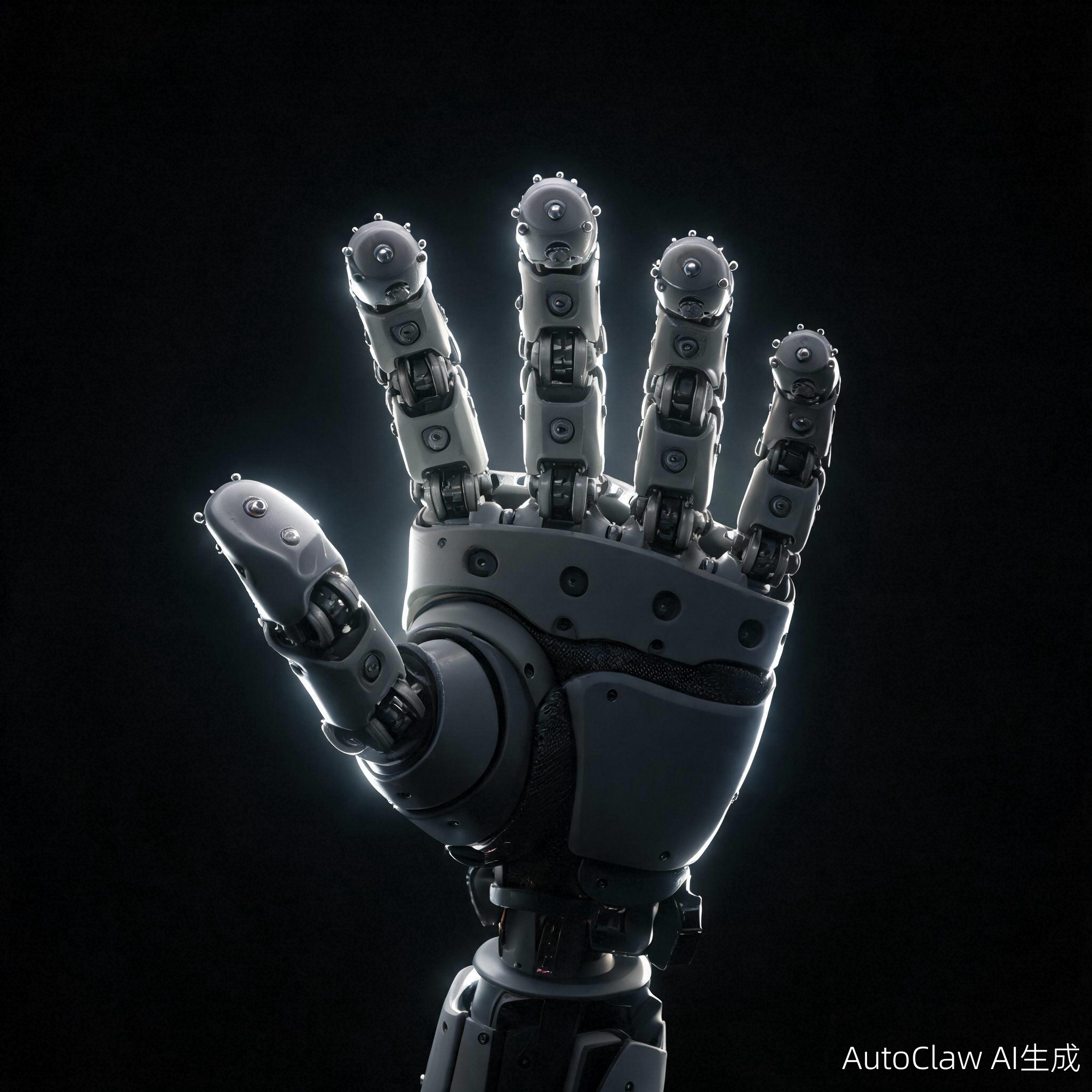
The frontier layer is tactile and force sensing, and analysts consistently flag it as the least mature part of the stack. Dexterous hands stuffed with tactile arrays are what separate a robot that can move boxes from one that can handle tools, plugs, and assemblies, and getting that sensing to survive millions of contact cycles at consumer-electronics cost levels is an open engineering problem. For component suppliers, tactile sensing is the highest-growth, least-consolidated layer of the humanoid stack: no dominant architecture has won yet, which makes it the layer to watch for new entrants in flexible sensors, force-sensitive materials, and the readout ICs that sit behind them.
The compute-sensor loop also drives wiring and interconnect decisions that traditional robots never faced. Moving perception from a central head unit toward distributed cameras and joint-level sensing multiplies high-speed serial links, and time-synchronized multi-sensor fusion pushes bandwidth and latency requirements closer to automotive radar and vision platforms than to classic factory automation. Interconnect, cable assemblies, and the protection electronics around them are quiet line items in the humanoid BOM that scale with every sensor added.
Batteries and the Runtime Problem
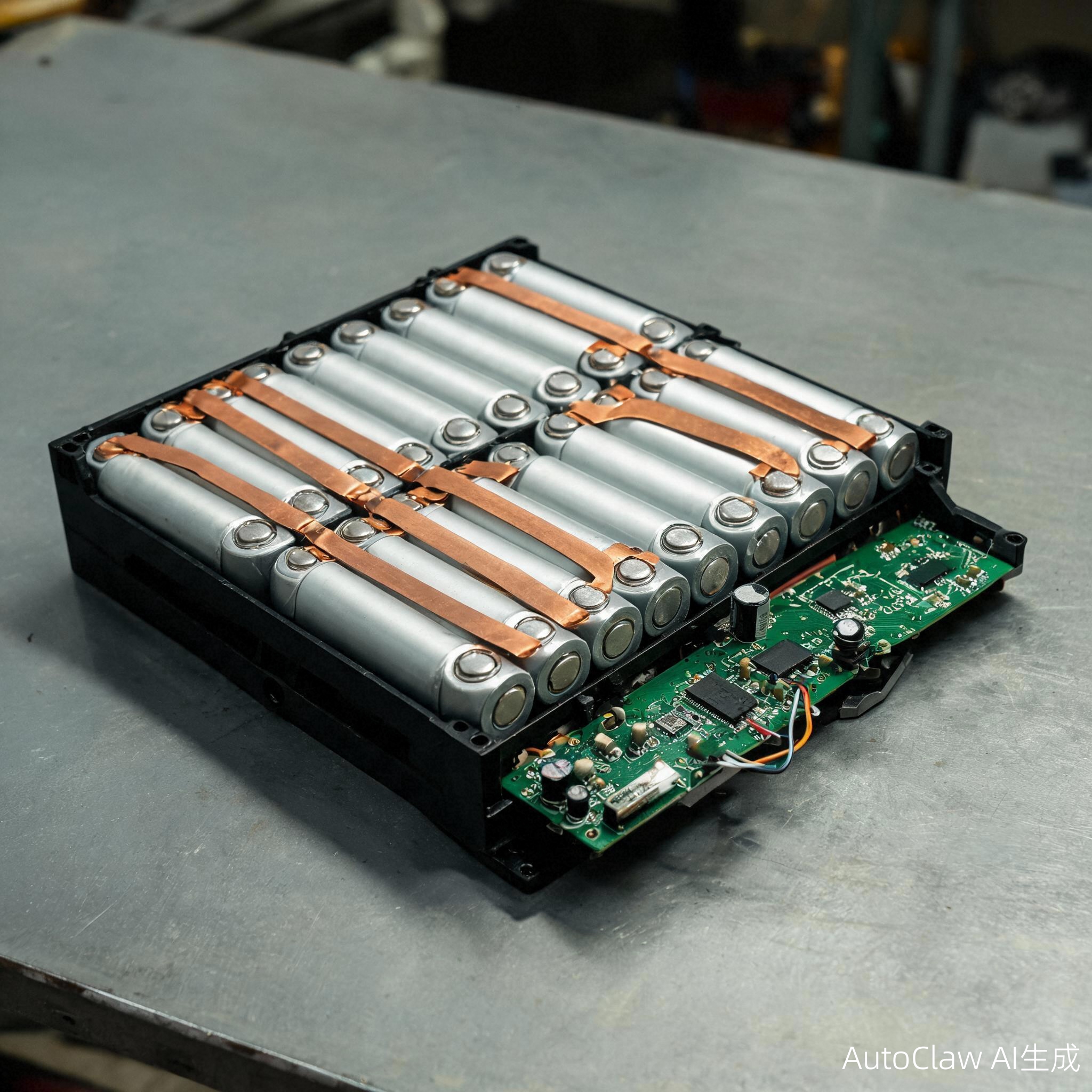
Energy is the humanoid's least glamorous constraint and one of the most binding. Battery energy density and thermal management limitations restrict operating time and increase downtime, and analysts highlight emerging hot-swappable battery approaches as a mitigation path for duty-cycle-sensitive deployments. The electronics implications run deep: battery management ICs with cell monitoring, protection, and fuel gauging; high-efficiency DC-DC conversion from pack voltage to the many rail domains; thermal sensors and fan or pump control for cooling; and safe power sequencing for hot-swap events.
Chinese manufacturers have localized lithium battery supply fastest, and volume growth in humanoids adds another claim on the same battery and BMS supply chains already stretched by EVs and energy storage. Component buyers watching this segment should expect humanoid programs to compete for high-rate cells, BMS silicon, and power-management parts with the automotive and storage markets, and to price their motor driver and BOM decisions accordingly.
From Demos to Deployment: Who Is Actually Shipping
The competitive landscape in 2026 splits into two recognizable strategies. The United States deepens the AI ecosystem: leading developers run real-world validation on factory floors, partner with enterprises to train models on production data, and combine motion control heritage with AI for autonomous operation. China accelerates supply chain integration and scale: the approach resembles the early EV playbook of building a complete supply chain, lowering costs quickly, and achieving economies of scale through shipment volume, with flagship manufacturers scaling production from one thousand to five thousand units in about a year, and then from five thousand to ten thousand units in roughly three months.
Adoption follows the same pattern market analysts describe for the next decade. Automotive manufacturing is expected to be the first segment to scale humanoid deployment, driven by OEM backing, controlled environments, and clear return on investment for repetitive material handling and inspection tasks. Logistics and warehousing follow, competing with established AMR, AGV, and robotic arm automation, while home use remains a longer-term opportunity gated by safety, affordability, and reliability.
What Component Buyers Should Do About It
Humanoid demand is still small next to phones and cars, but it is concentrated in exactly the component categories already under allocation pressure, and concentration is what matters for pricing. Motor-control MCUs, precision encoders, BLDC drivers, high-rate battery cells, BMS ICs, and edge AI processors all sit on the same supply chains that AI infrastructure and EV programs are pulling.
The practical moves: if you supply into the robotics chain, expect qualification cycles that borrow heavily from automotive practice, with reliability evidence and traceability as table stakes. If you compete with humanoid programs for parts, watch this segment's volume announcements, because a factory scaling from thousands to tens of thousands of units moves markets that a hundred prototypes never touched. And if you design adjacent products, the humanoid BOM is a useful catalogue of proven component selections for high-density motion, sensing, and battery management, published in the industry's most competitive new design space.
The Cost-Down Path and What It Means for Buyers
Every forecast of the humanoid market rests on the same assumption: the bill of materials gets cheaper. Component-level cost analysis identifies the expensive subsystems, precision actuators and reducers at the top, dexterous hands and tactile sensing close behind, with batteries and compute contending depending on configuration, and tracks the cost-down roadmap as production scales.
History suggests how it plays out. The EV transition drove motor, inverter, and battery costs down through volume, design standardization, and Chinese manufacturing scale, and TrendForce-style analysis of the humanoid market describes the same playbook: complete the supply chain, localize core components such as servo motors, reducers, and lithium batteries, lower costs, and shorten development cycles until mass production economics work. For electronic components specifically, expect standardization pressure on motor drivers and BMS silicon as leading robot makers converge on common actuator architectures, and expect second-source qualification to happen faster than it did in automotive, because the humanoid industry was born in a market that already knows what allocation risk looks like.
For distribution and sourcing professionals, the window matters more than the destination. Component demand from humanoids is small enough today that most buyers can ignore it, but the production ramp rates involved, thousands of units within a year for the leading Chinese makers, mean the demand curve bends quickly. The companies that mapped their exposure to robot-relevant component categories in 2026 will be negotiating from knowledge in 2027, and the ones that did not will be discovering the same constraints their customers already have.
Frequently Asked Questions
How big is the humanoid robot market expected to be?
Industry market research forecasts the humanoid robot market reaching approximately 29.5 billion US dollars by 2036, with component-level forecasts covering actuators, motors, reducers, sensors, batteries, and structural materials. Automotive manufacturing is expected to be the first segment to scale, followed by logistics and warehousing.
Which electronic components does a humanoid robot use most of?
By volume multiplier, the actuation layer dominates: every joint combines a brushless motor, a precision reducer, an encoder, and a motor driver, and a humanoid carries dozens of joints. Battery management electronics, camera and depth sensors, and edge AI compute fill out the bill of materials.
Why are batteries a bottleneck for humanoid robots?
Battery energy density and thermal management limit how long a humanoid can operate before recharging, increasing downtime on production floors. Analysts point to hot-swappable battery approaches as a mitigation, which adds battery management, protection, and power sequencing electronics to the design.
What is the US-China split in the humanoid robot supply chain?
The United States leads the intelligence layer, with near-monopoly positions in AI chips and robotics platforms, while China leads manufacturing scale, with fast localization of servo motors, reducers, and lithium batteries and the fastest production ramp rates. Europe holds precision advantages in encoders and sensing, and Japan dominates precision mechanical transmission.
Do humanoid robots compete with other industries for components?
Yes, and increasingly so. Humanoid demand concentrates on motor-control MCUs, BLDC drivers, precision encoders, high-rate lithium cells, BMS ICs, and edge AI processors, the same categories constrained by AI data center and EV programs in 2026. Volume scaling from prototypes to tens of thousands of units makes the competition material.
What qualification do robot components need compared to automotive?
Commercial humanoid deployments borrow reliability practices from automotive supply chains, including traceability, reliability reporting, and change control, but there is no single mandatory robot qualification standard equivalent to AEC-Q100. Safety validation for human operation is an emerging requirement that will push more components toward automotive-grade practice over time.
Sources and Further Reading
- IDTechEx via Edge AI and Vision Alliance, "Humanoid Robots 2026-2036: Technologies, Markets, and Opportunities" (component-level analysis and market forecast): https://www.edge-ai-vision.com/2026/04/humanoid-robots-2026-2036-technologies-markets-and-opportunities
- TrendForce via GlobeNewswire, "Humanoid Robots: The US-China Divide and Who Controls the Supply Chain" (component supply chain influence index, July 2026): https://www.finanznachrichten.de/nachrichten-2026-07/69068936-trendforce-corp-humanoid-robots-the-us-china-divide-and-who-controls-the-supply-chain-latest-analysis-on-trendforce-s-substack-399.htm
- GigaDevice, humanoid robotics IC solutions and white paper (MCU, memory, analog portfolio): https://www.gigadevice.com/
- SGMICRO, humanoid robot analog and power solutions (motor drivers, PMICs, AEC-Q automotive parts): https://www.sg-micro.com/
- NVIDIA Technical Blog, "NVIDIA 800 V HVDC Architecture Will Power the Next Generation of AI Factories" (AI compute demand context): https://developer.nvidia.com/blog/nvidia-800-v-hvdc-architecture-will-power-the-next-generation-of-ai-factories/
