
Keywords: eFuse IC, hot-swap controller, 48V power protection, inrush current control, power path protection, AI server power design
Meta Description: eFuses integrate switches, sensing, and protection in one IC. How electronic fuses and hot-swap controllers protect 12V to 800V rails in servers and AI systems.
Every board that plugs into a live system has a problem the schematic does not show on its face: the moment of connection. Backplane cards, server trays, and hot-swappable storage all face an uncharged input capacitor that looks like a short circuit for the first few milliseconds, and an uncontrolled inrush can weld connector contacts, collapse the rail, and reset every neighbor on the same power bus. The traditional answers, discrete fuse and FET circuits assembled from a controller, a sense resistor, and a handful of passives, still work, but they cost board area, tuning time, and qualification effort that modern products no longer have.
Enter the eFuse: an integrated protection IC that combines the power switch, current sensing, gate control, and fault logic in one package. What was once a niche part is now strategic silicon, because the same attributes that protect a 12 V backplane card scale directly to the 48 V racks and 800 V facility feeds of AI data centers. This guide explains what eFuses and hot-swap controllers do, how to select and configure them, and where the category is heading.
What an eFuse Actually Does
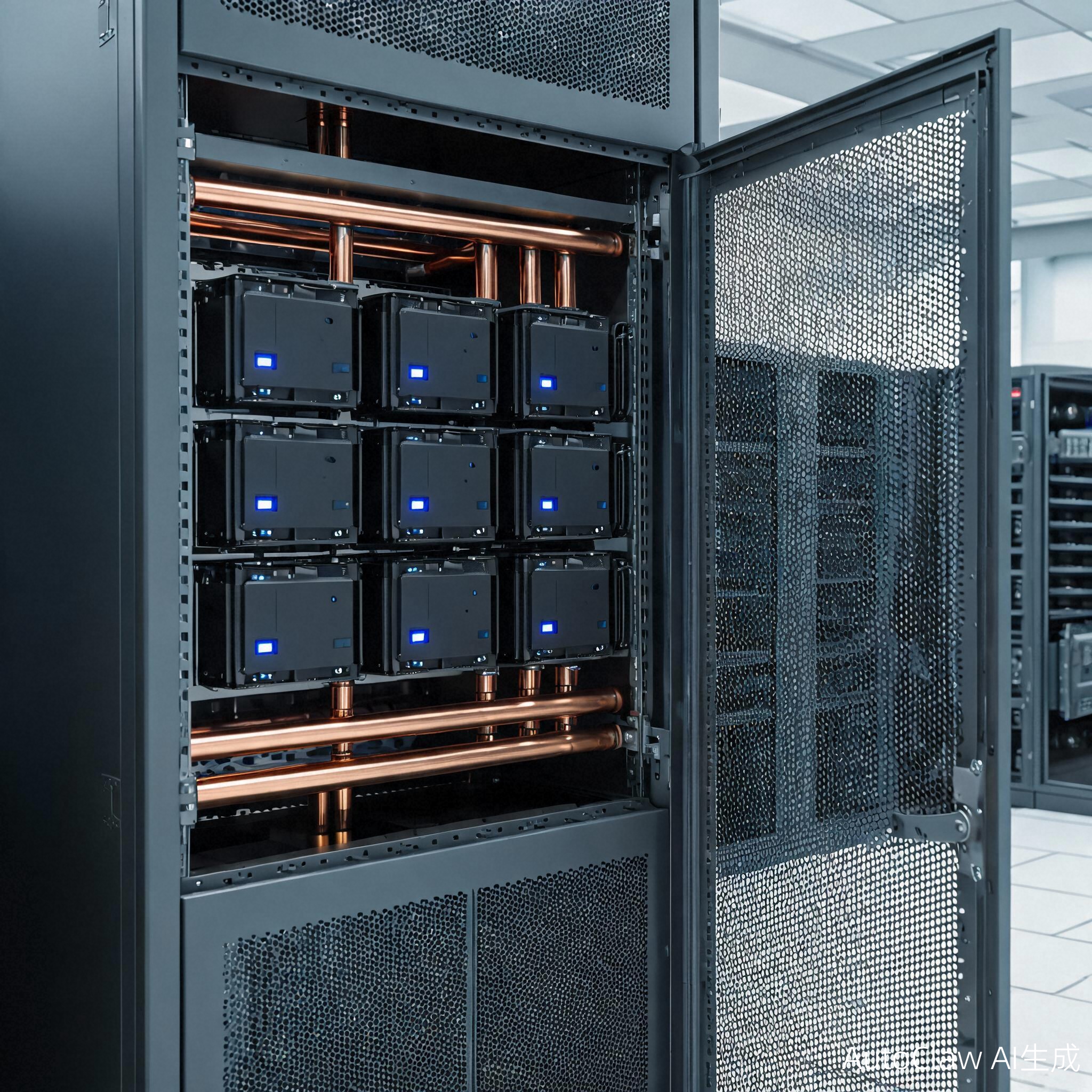
An eFuse integrates three functions that traditionally lived as separate components: a power switch (usually a MOSFET or a path to drive an external one), precision current sensing, and a control state machine that governs startup and fault response. STMicroelectronics product documentation describes the family well: hot-swap ICs control and protect electronic loads by managing inrush current during startup or hot-plug events, with programmable overcurrent and overvoltage thresholds, adjustable soft-start timing, and, critically, remote reset capability through enable and fault pins that lets a host recover a tripped channel without physical intervention.
That last capability changes the operational economics. Discrete protection tends to fail in ways that require a technician or a power cycle; an eFuse that latches off on a transient and restarts on command reduces false faults and equipment downtime, which is why server and storage OEMs adopted them for drive arrays and hot-swap boards early and have never gone back.
Beyond the basic trip behaviors, modern parts add features that used to require a microcontroller: power monitoring and telemetry over I2C or PMBus, current and voltage reporting, thermal regulation rather than simple shutdown, reverse-current blocking when the input rail collapses, and configurable response to brownout and overvoltage events. The eFuse has quietly become the power path's first line of telemetry as well as its bodyguard.
eFuse vs Hot-Swap Controller vs Discrete: Choosing the Architecture
The category has three tiers, and picking the right one is an integration decision as much as an electrical one.
| Architecture | Integration level | Best fit | Trade-offs |
|---|---|---|---|
| Integrated eFuse IC | Switch, sensing, control in one package | 12 to 48 V rails up to moderate current; space-constrained designs | Fixed internal FET limits current rating; thermal density |
| Hot-swap controller + external MOSFET | Control IC drives external power FET | High current, high voltage, custom SOA needs | More design work; SOA analysis on the designer |
| Discrete fuse, PTC, or breaker circuit | Fully discrete | Simple cost-driven protection, certification-driven designs | No inrush control, no telemetry, no remote reset |
STMicroelectronics segments the same territory from the application side: electronic fuses that replace conventional fuses and resettable PTCs in small packages for servers, storage arrays, and network hot-swap boards; DC power breakers that continuously monitor input power with adjustable power limits for appliances and certification-friendly designs; and controller-class parts that drive external MOSFETs for maximum configuration flexibility on high-power rails.
The selection drivers concentrate in a handful of parameters. Operating voltage range must cover both the nominal rail and the transient envelope, and this is where product families diverge sharply by market. Current rating and on-resistance set the conduction loss budget. Slew rate control and soft-start programming determine how gently the load capacitor charges. Fault response times, overvoltage clamp behavior, and reverse-current blocking round out the protection envelope. And for anything managed, the telemetry interface determines how visible the power path is to system software.
The 48 V Moment: Why AI Data Centers Changed the Category
The eFuse category's growth curve tracks the data center power transition almost exactly. As AI racks climbed past 100 kW, the industry standardized on 48 V rack distribution, and every power shelf, busbar feed, and compute tray in that architecture needs switched, monitored, protected power paths. Texas Instruments positions its 48 V hot-swap eFuse portfolio explicitly for this market, demonstrating multi-kilowatt class implementations for AI servers where compact, integrated power-path protection meets the efficiency and serviceability demands of next-generation facilities.
Infineon expanded its power path protection portfolio with a 48 V smart eFuse family alongside hot-swap controllers designed for 400 V and 800 V power architectures, the voltage domains that NVIDIA's 800 VDC data center blueprint is pulling into the rack and the facility. The pattern is clear: as distribution voltage rises, the protection IC migrates with it, and functions that once lived only at 12 V, controlled turn-on, current monitoring, fault logging, and remote management, are now expected on every feed from the 800 V bus to the GPU.
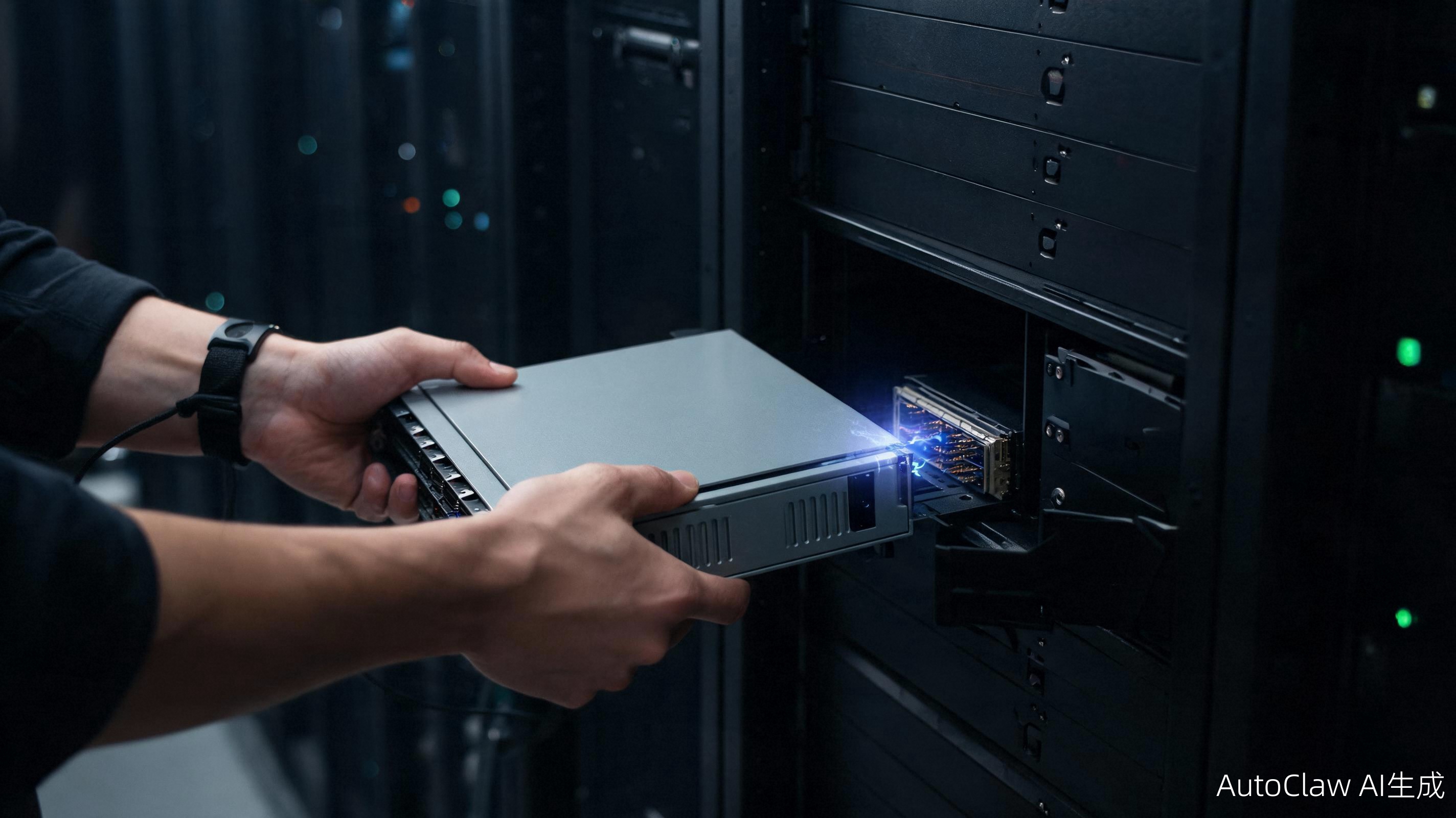
Two design realities accompany the voltage climb. First, at 48 V and above, the energy a protection IC must safely interrupt grows dramatically, so robust safe operating area management, careful PCB layout for the power loop, and attention to inductor energy during turn-off become central to the design rather than details. Second, high-voltage eFuses increasingly incorporate the isolation and logic-level translation that bridging a 48 V or 800 V domain to a low-voltage controller requires, which effectively makes them power-domain gateway chips as much as protection devices.
Design Guidance: Getting the Protection Right
An eFuse is easy to wire and easy to misconfigure. A few disciplines separate installations that protect from installations that nuisance-trip or, worse, fail to trip.
Size the current limit for the transient, not the average. The trip threshold must sit above the load's worst-case inrush and capacitor charging current, or the eFuse will act on every power-up. Programmable soft-start exists precisely to slow the capacitor charge below the limit; set the slew rate against the actual load capacitance, not a datasheet example.
Respect the safe operating area of the switch. During a current-limit event or a short circuit, the internal or external FET dissipates the full rail voltage at the limited current simultaneously. The protection circuit must turn off, or fold back, fast enough to stay within the device's safe operating area; this is the analysis that separates a robust design from one that survives a hundred faults and dies on the hundred and first.
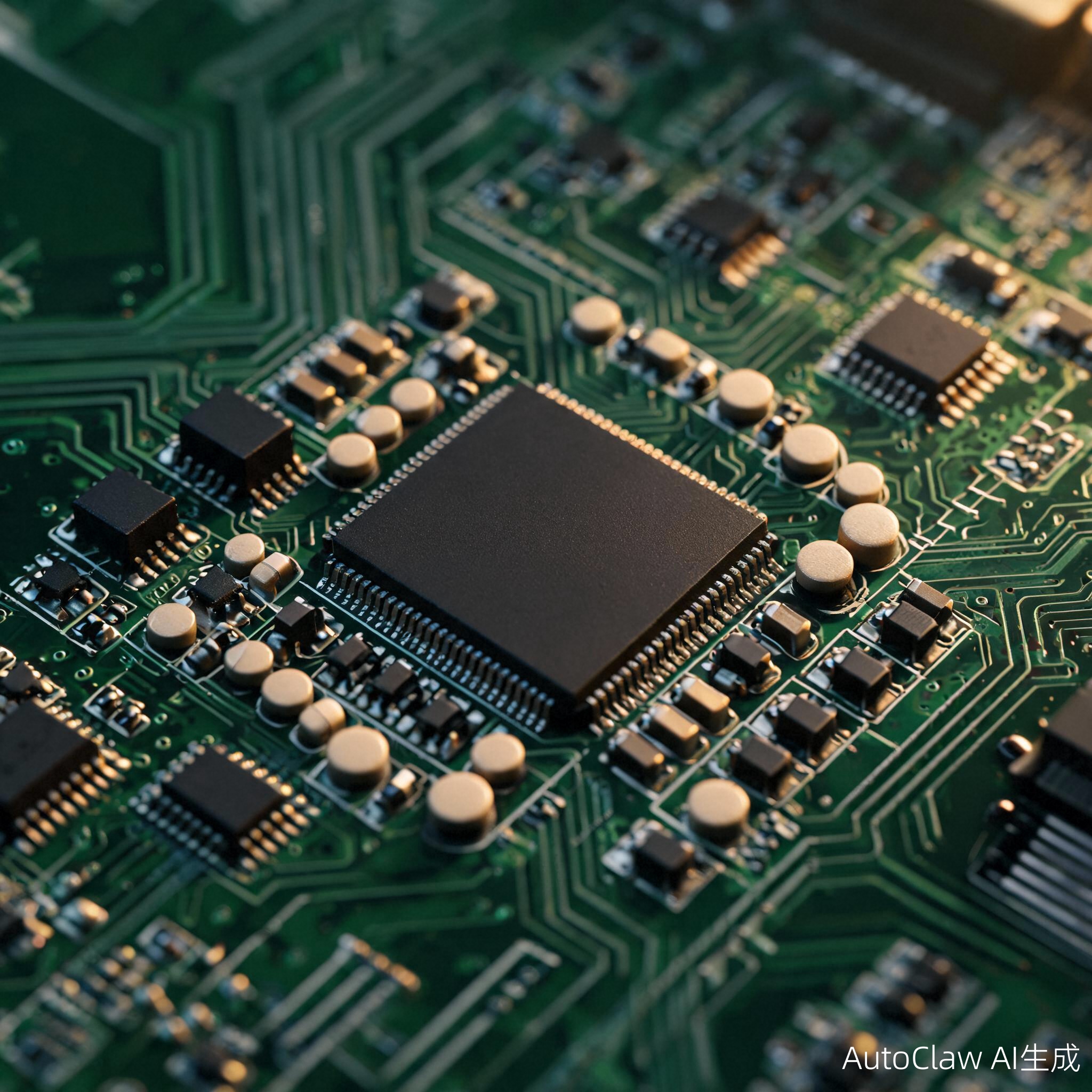
Plan the fault behavior deliberately. Decide which faults latch and which auto-retry, and make the host aware of both through the fault pin or telemetry bus. Auto-retry on a soft short can hide a degrading connector; latching off on the same event surfaces it. The right answer is application-specific, which is exactly why the behavior is programmable.
Use the telemetry. Current and voltage reporting from the power path turns the eFuse into a diagnostic instrument: creeping current trends reveal failing fans and degraded capacitors before they become faults. In dense racks where every watt and every service call costs money, that visibility frequently justifies the part premium on its own.
Verify with the real load. Inrush into a bank of storage capacitors, cable inductance, and connector contact resistance interact in ways bench estimates miss, so validate turn-on, hot-plug, and fault injection against production hardware and production cables, including the worst-case brownout and reconnect sequences.
Where the Category Is Heading
Three trends define the eFuse roadmap through the rest of the decade. Higher voltages: 48 V parts are mainstream, 400 V and 800 V controllers are shipping for the new AI facility architectures, and each voltage class brings isolation and energy-management requirements that reshape the part. Richer management: PMBus-class telemetry, digital configuration, and health analytics are converging with the power path, making the eFuse a managed endpoint in server fleets. Broader adoption beyond servers: the same attributes driving data center adoption, compact integration, programmability, and remote reset, apply to battery-powered equipment, industrial 24 and 48 V systems, and automotive power distribution, where zonal electrical architectures create exactly the switched, monitored, protected power paths that eFuses provide.
For design teams, the practical conclusion is that power-path protection has become a design-in decision rather than a bill-of-materials afterthought. The part that guards a 48 V rail now also instruments it, manages it, and reports on it, and choosing it early in the design pays back in board area, serviceability, and the kind of power-path visibility that dense modern systems quietly require.
Frequently Asked Questions
What is the difference between an eFuse and a hot-swap controller?
An eFuse integrates the power switch, current sensing, and control logic in a single IC, which simplifies design but limits current to the internal FET's rating. A hot-swap controller drives an external MOSFET, so it scales to higher currents and voltages but requires the designer to select the FET and analyze its safe operating area. Both provide inrush control, overcurrent protection, and fault management.
Why do hot-plug boards need inrush current control?
An uncharged input capacitor on a freshly connected board looks like a short circuit to the live rail. Without control, the charging current can reach hundreds of amps for milliseconds, collapsing the supply, damaging connector contacts, and resetting adjacent equipment. Hot-swap devices ramp the charging current along a controlled slew rate instead.
Why is 48 V significant for eFuses in AI data centers?
AI racks standardized on 48 V distribution, and every power shelf, busbar feed, and compute tray needs switched, monitored, protected power paths. Vendors including Texas Instruments and Infineon now build 48 V eFuse families explicitly for AI servers, with multi-kilowatt class implementations, and extend the same protection concept to 400 V and 800 V facility architectures.
Can an eFuse replace a fuse, PTC, or circuit breaker entirely?
In many applications yes, with advantages: precise programmable trip points, soft-start, remote reset instead of physical replacement, and telemetry. Discrete fuses still win where certification regimes require them, where cost is decisive, or where fail-safe behavior under catastrophic faults must be purely physical. Many designs use both, with the eFuse managing transients and a physical fuse as a last-line backstop.
What causes nuisance tripping in eFuse designs and how do I fix it?
The usual cause is a current limit set too close to the load's real inrush, especially into large capacitor banks, or an auto-retry behavior fighting a soft short. Fix it by programming the soft-start slew rate against the actual load capacitance, setting the limit above worst-case transients with margin, and choosing latch versus retry behavior deliberately, with the host informed through the fault pin or telemetry.
Do eFuses work in automotive and industrial 24 to 48 V systems?
Yes, and adoption is growing quickly. Automotive zonal electrical architectures create exactly the switched, monitored, protected power paths that eFuses provide, and vendors offer automotive-qualified eFuse families with diagnostic reporting. Industrial 24 and 48 V systems benefit from the same integration, particularly in battery-powered equipment where reverse-current blocking and load management matter.
Sources and Further Reading
- Texas Instruments, eFuses (integrated hot-swap) product overview with 48 V AI data center focus: https://www.ti.com/product-category/power-management/power-protection-switches-controllers/efuses/overview.html
- Infineon, "Infineon expands power path protection portfolio for 48 V" (48 V smart eFuse family and 400 V/800 V hot-swap controllers): https://www.infineon.com/technology-news/2025/INFPSS202510-002
- STMicroelectronics, "eFuses and hot-swap ICs" product family overview: https://www.st.com/en/power-management/efuses-and-hot-swap-ics.html
- NVIDIA Technical Blog, "NVIDIA 800 V HVDC Architecture Will Power the Next Generation of AI Factories" (800 VDC architecture context): https://developer.nvidia.com/blog/nvidia-800-v-hvdc-architecture-will-power-the-next-generation-of-ai-factories/
- Illuminious, "2026 Component Shortage Reality: DRAM Prices Surge as MCU Lead Times Stretch to 40 Weeks" (power IC demand and allocation context): https://www.illuminious.com/news/2026-component-shortage-dram-mcu
