
Did you know that certain scrap components, like vintage 386/486 CPUs, can fetch up to $300 per pound in today’s market? This staggering value highlights the hidden economics driving global electronics procurement. Whether you’re sourcing new PCBs or recycling materials, pricing shifts demand careful analysis.
We’ve analyzed 16 manufacturers—including JLCPCB, PCBWay, and OSH Park—to decode cost variations. Basic single-layer designs might cost pennies per unit, while advanced multi-layer boards with gold plating or high-frequency materials can spike expenses by 500% or more. Prototype orders often carry premium fees, but bulk purchases unlock economies of scale.
The secondary market adds complexity. Telecom boards currently trade at $8.75/lb, while gold finger cards hover near $7.00/lb. These figures fluctuate with material availability and geopolitical factors. By 2025, copper shortages and supply chain reforms could reshape pricing strategies entirely.
Key Takeaways
- Scrap components like CPUs yield up to 75x more value than standard boards
- Multi-layer PCB costs vary 5x based on materials and complexity
- Bulk orders reduce per-unit fees by 30-60% across major suppliers
- Real-time quote platforms enable side-by-side vendor comparisons
- Copper supply trends will critically impact 2025 pricing
Overview of Current Circuit Board Price Trends
Procurement teams face a complex landscape where standard 2-layer designs cost $0.20-$3.00 per unit, while advanced options like rigid-flex boards reach $40+ per prototype. Recent forum posts from engineers confirm these ranges align with real-world sourcing experiences. We see three key drivers shaping today's market:
Production Scale Economics
Bulk orders slash per-unit costs by 60-80% across all PCB types. For example:
- 4-layer prototypes: $10-$20 → bulk: $2-$5
- Metal core prototypes: $8-$25 → bulk: $3-$10
This gap stems from reduced setup fees and optimized material use in large batches.
Material Availability Pressures
FR4 substrate costs rose 18% in Q1 2024 due to copper shortages. Specialty materials like Rogers high-frequency laminates face even tighter supply, pushing lead times to 12+ weeks. These constraints directly impact supply chain dynamics and final pricing.
Seasonal demand patterns add another layer. Q4 typically sees 20-30% price hikes for prototype services as engineers rush year-end projects. Smart buyers leverage this knowledge to time bulk purchases during slower periods.
Key Factors Influencing Circuit Board Price
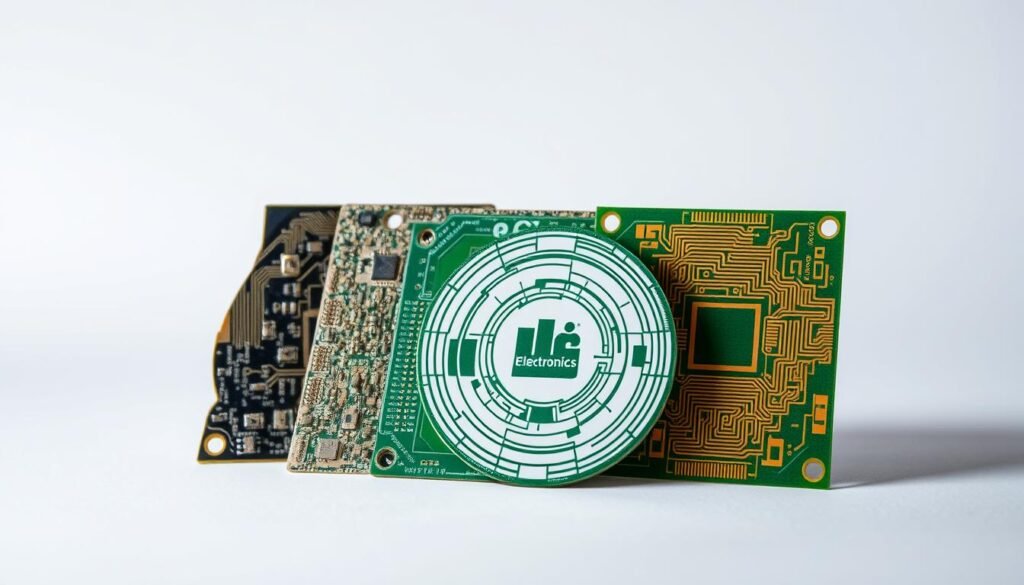
Design complexity drives 80% of manufacturing costs in electronics. Three core elements shape pricing: structural requirements, production volume, and finishing details. Let’s examine how these variables interact.
Materials, Layers, and Manufacturing Specifications
Layer count remains the primary cost multiplier. Single-layer designs cost 75% less than 6-layer alternatives. Material selection further impacts budgets:
| Material | Cost Impact | Typical Use |
|---|---|---|
| FR4 | $ | Consumer electronics |
| Rogers 4350B | $$$$ | 5G infrastructure |
| Aluminum Core | $$$ | LED lighting |
Metal-core and ceramic substrates add 30-50% to base prices but enable high-power applications. Thicker copper layers (2oz vs 1oz) increase durability at a 15-20% premium.
Prototyping vs. Bulk Order Considerations
Small batches carry hidden fees. A 5-piece prototype often costs 12x more per unit than 500-unit orders. Setup charges account for 40% of prototype pricing but drop below 5% in bulk runs.
"Always verify minimum order quantities – some suppliers waive tooling fees above 100 units."
For complex designs, consider expert tips on comparing BOM quotes across vendors. This prevents overpaying for unnecessary specifications.
Customization Options and Surface Finishes
Every aesthetic choice carries functional consequences:
- HASL finish: $0.05 per board
- ENIG finish: $0.20 per board
- Custom solder masks: +15%
Black solder masks improve contrast for inspection but require tighter tolerance controls. Gold plating enhances conductivity but isn’t cost-effective for disposable devices.
Where to Buy and Compare PCB Prices

Smart sourcing requires knowing where to look. We’ve tested 12 platforms to identify the best options for different project needs. Your choice depends on design complexity, budget, and timeline.
Top Online Platforms and Manufacturer Comparisons
Amazon works for basic prototyping needs—think single-layer boards or soldering kits. You get fast shipping, but customization options vanish. For serious projects, specialized manufacturers like JLCPCB and PCBWay deliver better value. These platforms handle multi-layer designs, gold plating, and even assembly services.
Here’s how they stack up:
- JLCPCB: $2 for 5-piece prototypes, 24-hour turnaround
- PCBWay: Premium finishes like ENIG at competitive rates
- PCBShopper: Side-by-side comparison of 18 global suppliers
Always check customer posts and reviews. One Reddit user noted:
"JLCPCB’s DHL shipping saved my deadline—their portal shows real-time production updates."
Using Real-Time Price Calculators and Tools
Modern platforms let you adjust specs and see costs instantly. Upload Gerber files to PCBWay’s calculator, and you’ll get quotes within minutes. ALLPCB and JLCPCB offer similar tools with material comparison features.
Key benefits of these systems:
- Spot price differences for 4-layer vs 6-layer boards
- Preview how solder mask colors affect costs
- Export data for budget approvals
For bulk buying, cross-reference these quotes with our PC board price guide. This ensures you’re not overpaying for standard FR4 designs.
Conclusion
Optimizing your budget for electronics starts with smart sourcing decisions. We’ve outlined how material choices and design complexity shape costs across basic computer applications and industrial-grade systems. Whether you’re prototyping or scaling production, balancing technical needs with financial constraints remains critical.
Bulk purchasing continues to deliver the most value, particularly when paired with real-time cost factor analysis tools. These platforms help identify savings in material selection and layer configurations without compromising quality. For standard computer components or specialized circuits, strategic planning ensures reliable performance within budget.
Global supply shifts demand adaptability. By leveraging comparative pricing tools and supplier insights, you can navigate market fluctuations confidently. We empower teams to source components that meet both technical specs and financial goals—today’s dynamic landscape requires nothing less.
FAQ
What factors most significantly impact PCB costs?
Three primary elements drive costs: material selection (FR-4 vs high-frequency laminates), layer count increases, and special finishes like ENIG or gold plating. Bulk orders typically reduce per-unit costs by 30-60% compared to prototyping runs.
How do global supply chains affect pricing timelines?
Component shortages and shipping delays can extend lead times by 2-4 weeks, particularly for multilayer designs requiring specialized substrates. We recommend securing quarterly inventory buffers for mission-critical projects and monitoring copper price fluctuations.
Which platforms offer reliable price comparisons?
PCBWay and JLCPCB provide transparent real-time calculators for instant quotes. For complex builds, we suggest requesting manufacturer-specific RFQs to compare capabilities like impedance control tolerances and UL certification compliance.
Does surface finish selection affect production costs?
Yes – standard HASL finishes cost 20-40% less than ENIG or immersion silver options. However, advanced finishes improve solderability for fine-pitch components, potentially reducing assembly defects in high-density layouts.
How do prototyping quantities influence per-unit pricing?
Small batches (5-10 units) often carry 200-300% cost premiums due to setup fees. Prices stabilize near 100-unit thresholds, making pilot runs economical for design validation before full production scaling.
What certifications impact PCB supplier pricing?
UL 94V-0 flame ratings, ISO 9001 compliance, and ITAR registration add 15-25% to baseline costs but ensure reliability for medical, automotive, or aerospace applications. We verify all certifications match end-use requirements during vendor selection.
